Archaeological sites and monuments preserved through the centuries that shed light on Elis's cultural wealth By food journalist Dimitris Stathopoulos.
Archaeological sites and monuments preserved through the centuries that shed light on Elis's cultural wealth.
In an emblematic corner of our country, at a point where the present meets the past creating an ideal blend, wandering takes on different meaning.
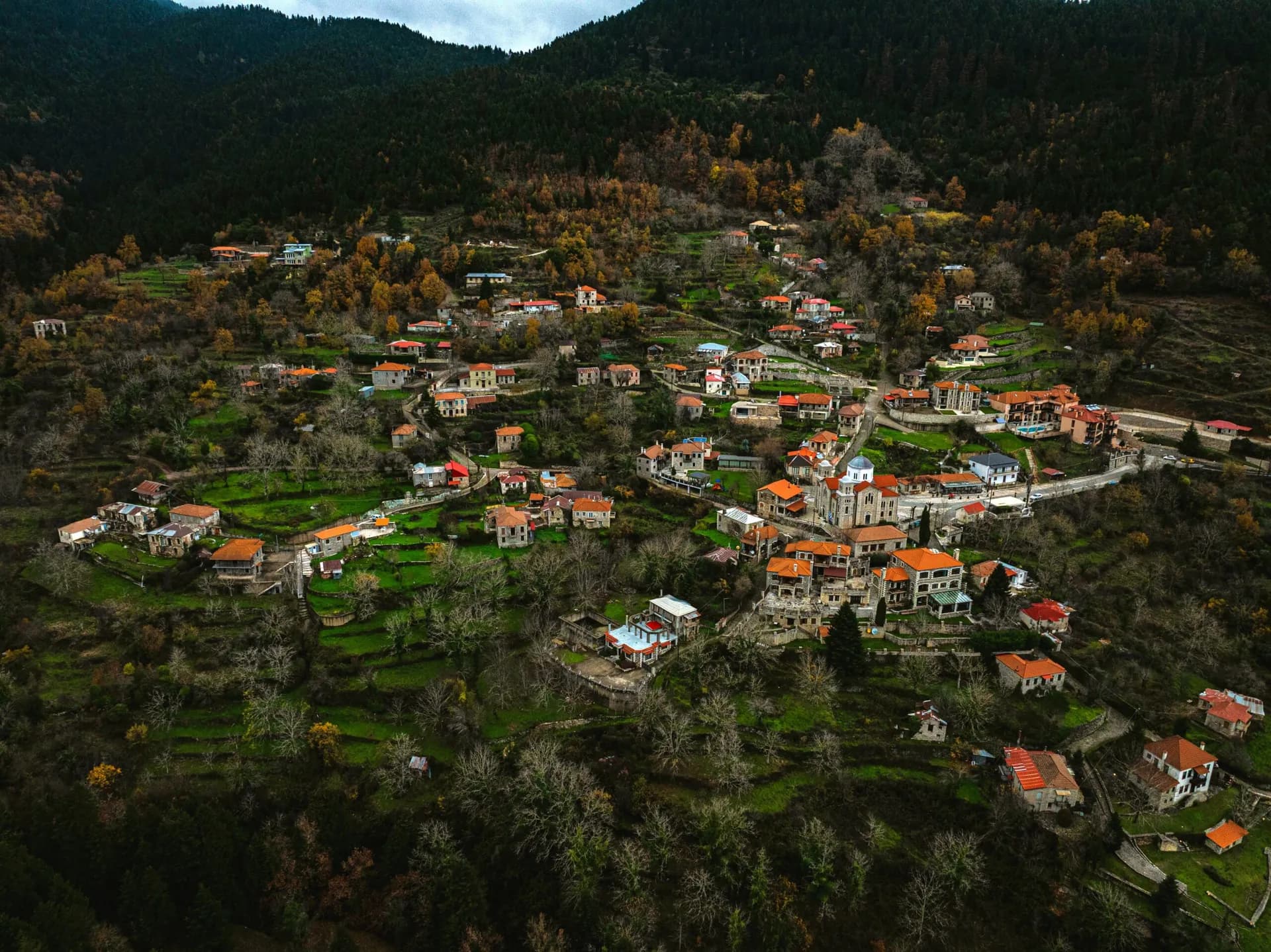
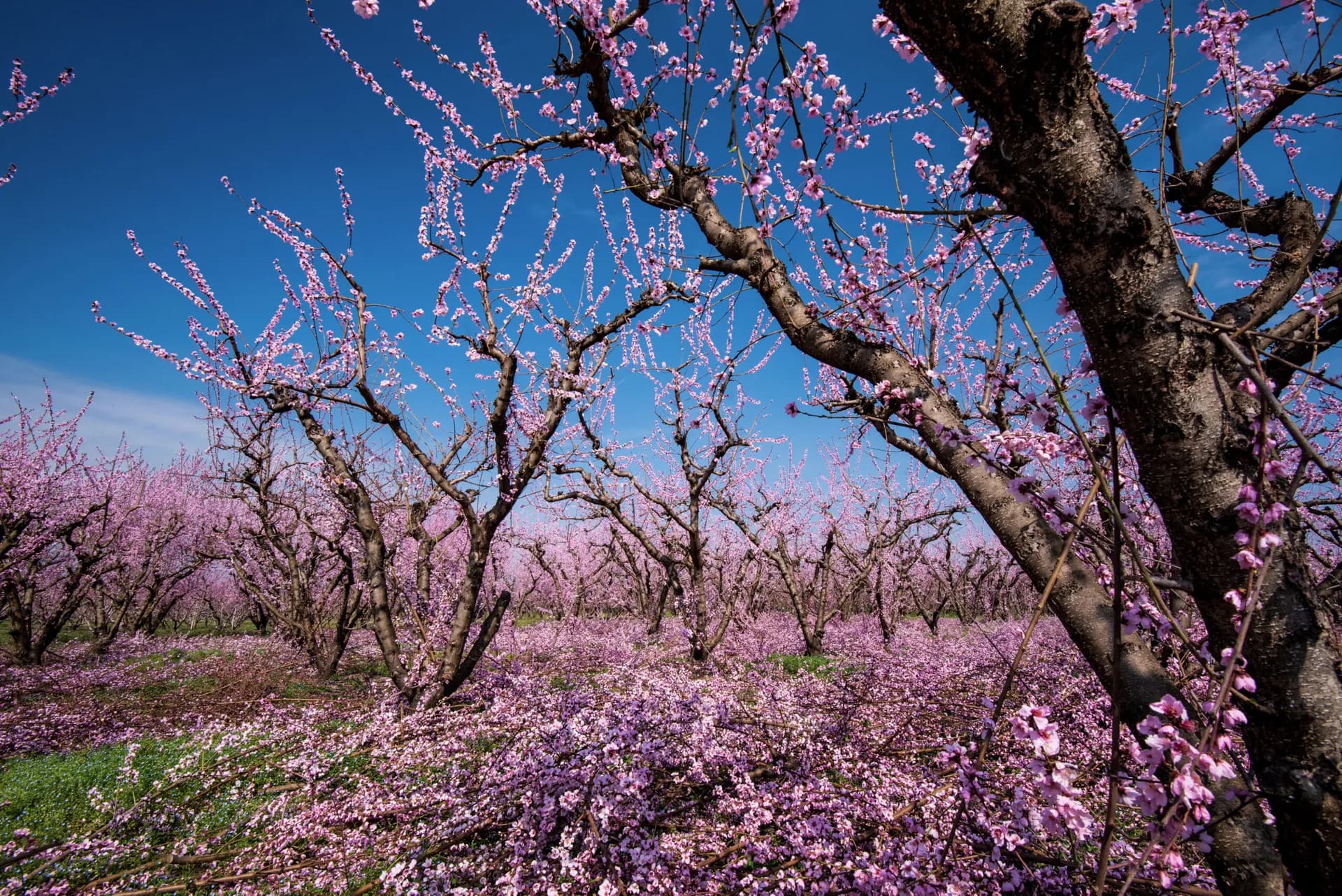
Beautiful coastlines, lush green forests, fertile valleys, and steep slopes argue for and reinforce the reputation of a multifaceted and rich region. Ancient Olympia, Ancient Elis, and the Temple of Epicurius Apollo create an ideal destination for autumn, with significant educational character.
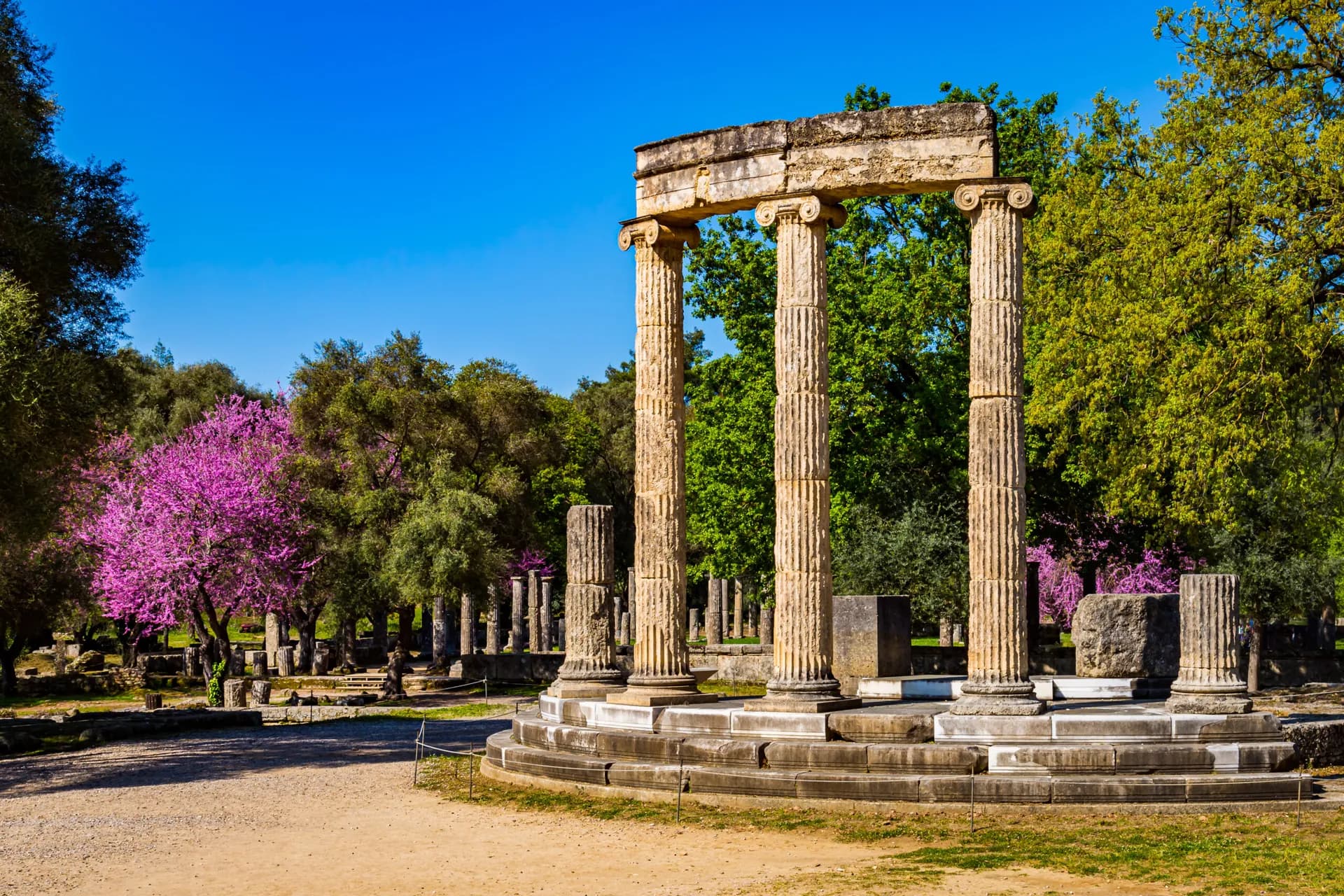
You go to see the playfulness hidden in great sculpture in Praxiteles's Hermes. To confront perfection in the Temple of Zeus, the standard of Doric architecture. To walk the paths that philosophers, artists, and politicians traversed. To rest on the slopes of Ancient Olympia's Stadium. To feel the sense that here the counting of time began and here the human mind conceived the notion of truce.
Both Ancient Olympia and the unjustly low-profile Ancient Elis, the permanent organizing city of the Olympic Games, with its Ancient Theater, Agora, Sanctuaries, and Gymnasia, define the timeless meaning of worship and competition. Hidden in a forest, Ancient Olympia among blooming acacias and Ancient Elis among proud oaks, always hospitable within Elis's calm nature, they fulfill all they promise.
Ancient Elis
Built on the banks of the Pineios River in semi-mountainous Elis, it was the seat of the homonymous city-state. This particular site was inhabited for long periods, with Aetolian Oxylos as its mythical founder. Specifically, according to tradition, taking advantage of the Dorian invasion, he subjugated the country's earlier inhabitants and created the first settlement. The city-state flourished in various phases of its history, such as in early historical times, the 11th and 10th centuries BC, as well as in the early classical period (6th to 5th centuries BC), and during most of Roman rule (2nd century BC to early 3rd century AD).
Catalytic for Elis's course proved the Peloponnesian War, during which the long-standing alliance with Sparta dissolved, with catastrophic consequences for the city-state. However, in the early 1st century BC, it definitively passes to the Roman state and subsequently experiences rise again. Its special privileges arising from its special role in organizing and conducting the Olympic Games.
Simultaneously, influences from Roman civilization push the city-state to develop a cosmopolitan character. By the end of the 7th century AD, the city is definitively abandoned, while human presence continued sporadically within the ancient city's ruins as certain findings show. The first excavations in the area were conducted for the first time in 1910 by the Austrian Archaeological Institute, while in 1960, excavations continued by the Hellenic Archaeological Society under Professor N. Gialouris's direction.
Temple of Epicurius Apollo
The Parthenon of the Peloponnese, in Vassae Figaleia, "wedged among the rocks, a rock itself, but a rock that spirit passed over," is an experience of gratitude, in the heart of the Arcadian mountains, at 1,132 meters elevation. Built as a sign of gratitude by the area's inhabitants to the god Apollo, who had assisted them (epicourios means helper) in a plague or a dispute against the Spartans.
Subversive innovations characterize the entire structure. Its orientation is toward the North. For the first time in architectural history, the Corinthian order makes its appearance. The temple's entrance is made so that on the day Apollo was celebrated, the sun's first ray enters the temple and falls precisely on the god's cult statue that stood in the temple's center. In recent decades the temple remains visitable but covered with a special structure to protect it from intense rainfall and humidity. This may in a sense limit the temple's imposingness, however it has helped significantly regarding its protection.
Note: Nikos Kazantzakis, Report to Greco, ed. Eleni Kazantzaki, Athens.
Frequently Asked Questions
What makes Greek food unique?
Greek cuisine is built on simplicity and quality ingredients. What makes it distinctive is regional variety — every island and mountain village has its own flavors, often unchanged for centuries.