Two settlements that are ideal destinations for peaceful moments and nature explorations Insider guide by food journalist Dimitris Stathopoulos.
Two settlements that are ideal destinations for peaceful moments and nature explorations.
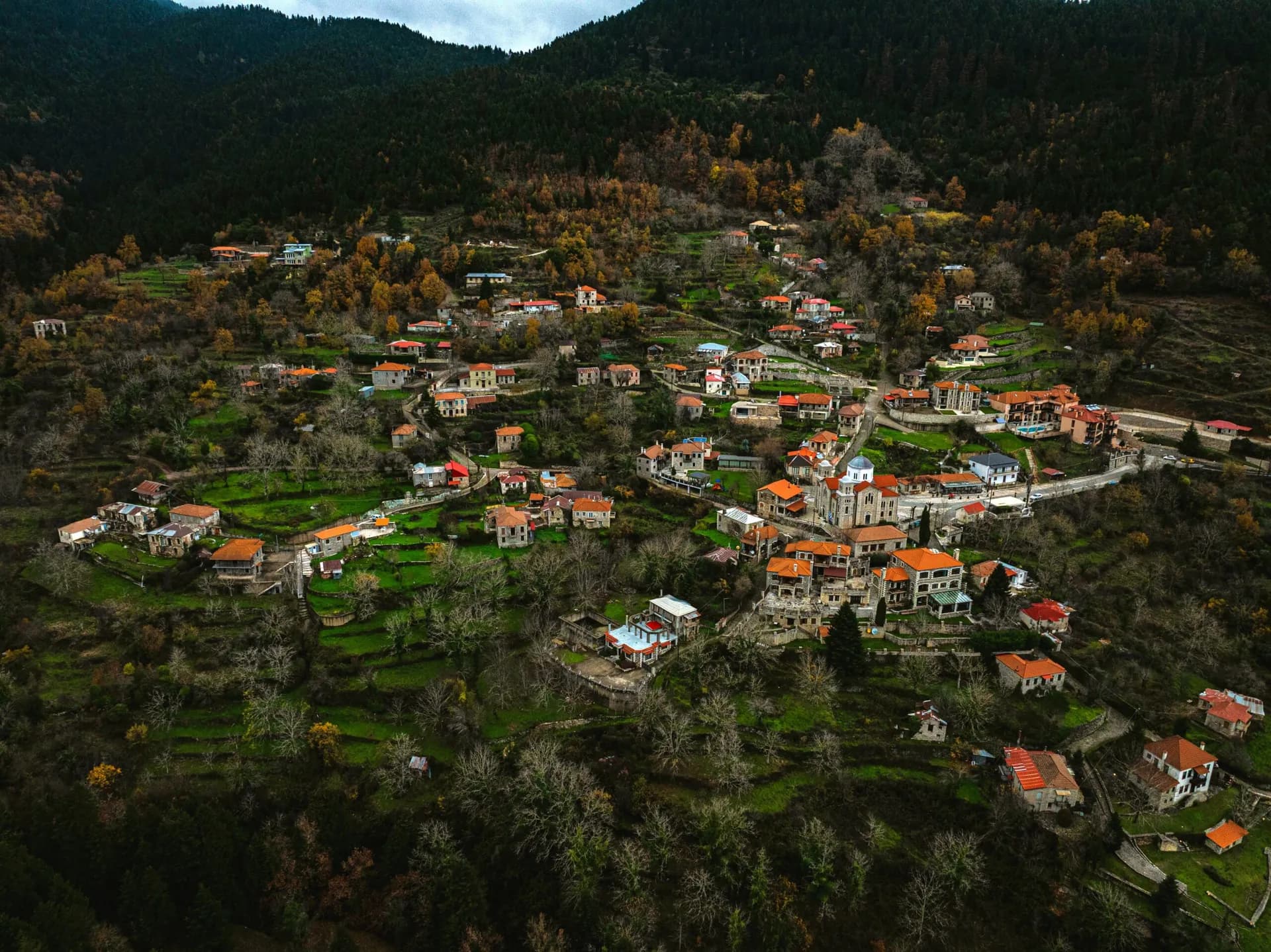
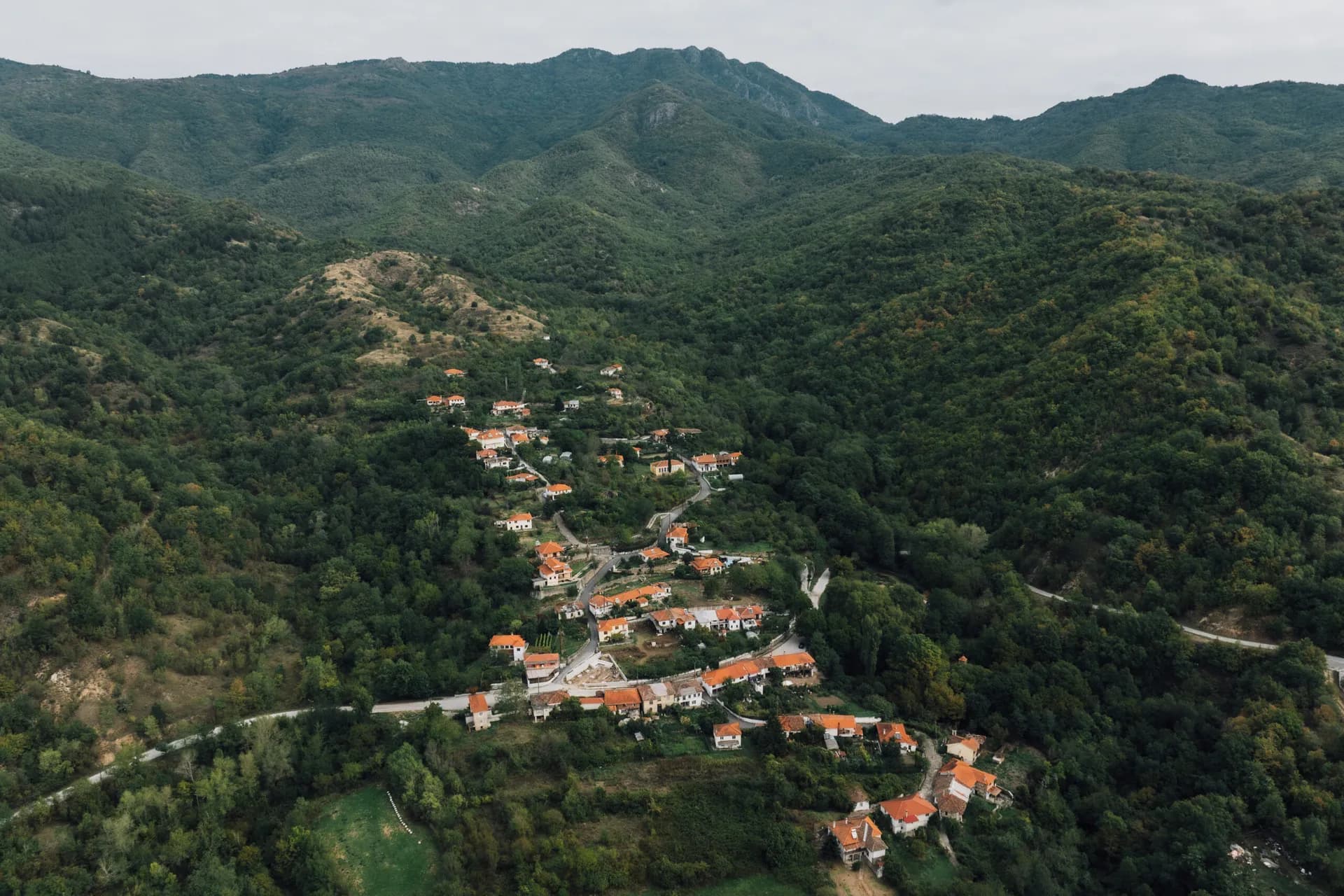
Perched on the southern slopes of Western Rodopi, at an elevation reaching 1,970 feet, the settlements of Kato and Ano Karyofyto, in Xanthi prefecture and the Stavroupoli region, conceal unique stories, natural beauty, and living tradition. Within the lush green landscape, among bridges, watermills, and authentic stone houses, a scene unfolds that transports visitors to other eras.
A visit to the two villages isn't simply a nature excursion. It's a dive into the history of Asia Minor refugees, an acquaintance with authentic Greek hospitality, and an opportunity to experience harmony between humanity and the environment. Together with our photographer, Kostis Angelopoulos, and the invaluable help of Tasos Anastasiadis (a great connoisseur and lover of the area), we followed roads passing through forests, bridges, and springs. Ano and Kato Karyofyto welcomed us with the simplicity and magic of the unexplored.
We started our tour from Kato Karyofyto, a traditional settlement that seems to have emerged from another era. The village, located at 1,640 feet elevation, is characterized by well-preserved cobblestone paths, stone-built houses, and the lush green landscape surrounding it. Our first stop was the impressive single-arch stone bridge, dating from 1813 and constituting one of the village's emblematic monuments. The bridge, perfectly harmonized with the natural landscape, testifies to the area's commercial and social life of past centuries.
We followed the path leading to the traditional watermill, an 18th-century structure that continues to function as a living monument of the pre-industrial era. There we met Mrs. Selini, daughter of the last miller. In her eighties, she spoke to us with emotion about her childhood in the miller's house and narrated stories from an era when the watermill was the community's epicenter. "People here were family," she told us, watching the water flow in the torrent, with the same warmth as her memories flowing.
Leaving Kato Karyofyto behind, we climbed to Ano Karyofyto, located at 1,970 feet elevation. The road gifted us a magical view of Rodopi and the Nestos valley, while the village itself unfolded before us as a living traditional destination. Ano Karyofyto, which was formerly called "Kozloutza" during Turkish rule, was renamed in 1928 thanks to the many walnut trees thriving in the area. Today, it has traditional tavernas, cafes, and guesthouses, ready to host visitors. At the village center stands the church of Agios Dimitrios, while the Monument to the Slaughtered, dedicated to 37 residents executed in 1944 by Bulgarian forces, reminded us of the harsh moments in the place's history.
The two settlements are surrounded by the lush green landscape of Rodopi, with paths leading to hidden beauties. The "Kerasi" spring, with its special story, is an ideal recreation spot, while the traditional architecture of houses in Kato Karyofyto and the picturesque cafes in Ano Karyofyto offer perfect harmony between culture and nature.
Kato and Ano Karyofyto are ideal destinations for all seasons of the year. In autumn, Rodopi's slopes dress in the warm colors of leaves, while in winter the landscape becomes magical with snow-covered mountains. Spring and summer lend themselves to nature explorations and peaceful moments in traditional cafes.
Frequently Asked Questions
What makes Greek food unique?
Greek cuisine is built on simplicity and quality ingredients. What makes it distinctive is regional variety — every island and mountain village has its own flavors, often unchanged for centuries.