Authentic Greek summer on an island where everything is more human-scaled By food journalist Dimitris Stathopoulos.
Authentic Greek summer on an island where everything is more human-scaled.
There are destinations you discover by chance and they become a trip's greatest surprise. Antiparos belongs to them. Just minutes by ferry from Paros, this tiny Cycladic island with a thousand residents constitutes an authentic Greek experience that hasn't lost its soul to tourist excess.
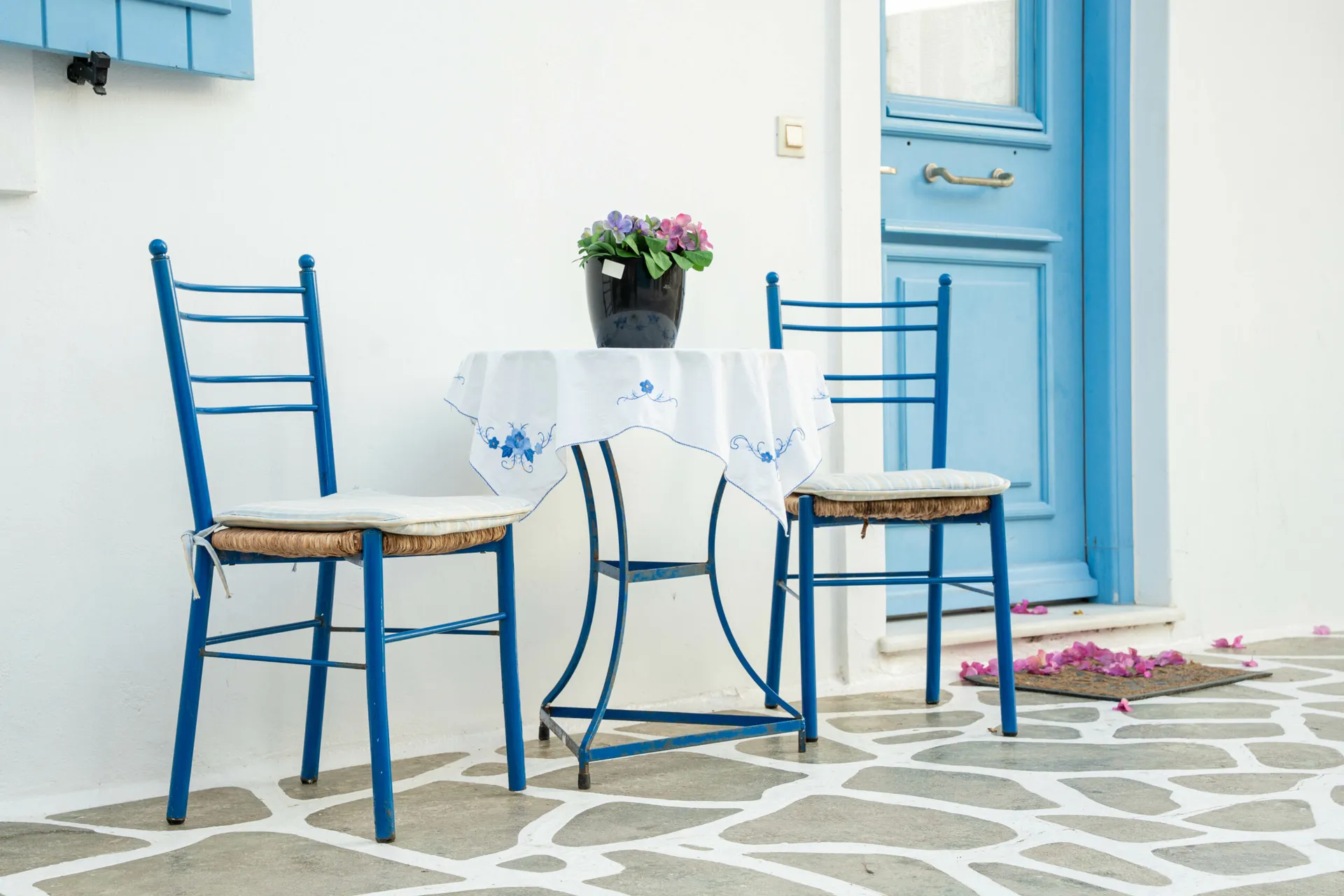
Antiparos's port welcomes you with authentic Cycladic charm: white cubic houses descending toward the sea, fishing boats rocking lazily in the blue, and an airy atmosphere inviting you to lower your pace. Chora, as locals call it, spreads across the island's northwest like a scene from a summer dream.
The cobblestone alleys lead to small squares, where cafes transform into lively meeting points and tavernas continue cooking the old way, with recipes that withstand time. Here you'll discover, among other things, shops with handmade creations and people with genuine, warm stories to tell. Antiparos continues to safeguard an authenticity increasingly rare in today's tourist map.
Although Antiparos has a small area, its shores present remarkable variety. Psaralyki, actually two consecutive beaches, constitutes one of the island's liveliest spots, with organized facilities and a beach bar playing relaxed music until sunset.
For those seeking tranquility, Faneromeni on the island's southern tip gifts moments of absolute serenity, with the sound of waves breaking the golden beach's silence. Glyfa, near the cave, combines easy access with crystal waters and, for windsurfing fans, offers particularly favorable conditions.
But the top spectacle awaits at Sifneiko. Known as "sunset beach," this beach offers one of the Aegean's most impressive sunsets. As the sun sinks into the horizon, the sky becomes a canvas of gold and purple, creating moments etched forever in memory.
Below the surface lies one of Greece's most impressive underground treasures: the Cave of Antiparos. Known for centuries, it continues to captivate visitors from around the world. Its stalactites and stalagmites, formed over millions of years, create an underground "cathedral" of natural beauty.
The descent to about 280 feet deep is an experience that stays in memory. The formations reveal nature's slow and patient work, while the interior atmosphere breathes awe and wonder.
Antiparos's cuisine reflects the island's intermediate position between tradition and modern gastronomic creation. At seaside tavernas, fresh fish and seafood are served the simple but flawless way: grilled over coals and seasoned with a little oil, lemon, and oregano. Meze in Antiparos has special flavor. Dolmades, vinegared octopus, tomato fritters, and fava are accompanied by tsipouro or ouzo, enjoyed slowly, with the gaze lost in the endless blue.
In recent years, young chefs have brought a fresh breath to local cuisine, marrying traditional recipes with modern techniques. The result is a gastronomic landscape satisfying both authentic cooking fans and the most demanding palates.
When the sun sets, Antiparos shows its liveliest character. The central square fills with locals and visitors sharing moments. The bars play music ranging from jazz to Greek songs, creating a festive atmosphere.
La Luna, the legendary disco operating since 1981, continues to constitute a reference point for the island's nightlife. In a space marrying vintage aesthetics with modern electronic music, parties continue until the early morning hours.
Antiparos carries centuries of history on its shoulders. The Venetian Castle, with its characteristic fortification elements, recalls the Venetian rule era. The houses within the castle's enclosure form a labyrinth of narrow alleys and hidden courtyards.
The Historical and Folklore Museum hosts a valuable collection of objects depicting residents' daily life through the centuries. From traditional tools to jewelry and clothing, the museum narrates the story of a place that learned to survive and prosper.
For daring travelers, an excursion to neighboring Despotiko constitutes a memory-staying experience. The tiny, uninhabited island, just a few nautical miles from Antiparos, hides archaeological treasures and beaches of virgin beauty. Excavations have revealed parts of an ancient sanctuary dedicated to Apollo, proving the area's importance in antiquity.
Antiparos is a living community that managed to maintain its identity, despite tourism's gradual development. Residents continue engaging in fishing and livestock farming, children play in squares, and traditions continue passing from generation to generation.
This is perhaps Antiparos's greatest wealth: its ability to offer visitors not only beautiful landscapes and quality services, but also an authentic experience of Greek island life. Here, time flows at a different pace, relationships remain human, and each day hides the promise of a new discovery.
In the age of over-tourism and commercialization, Antiparos constitutes a living example of sustainable tourism. It's a place not aspiring to become something different from what it is: an authentic Greek island, with all the simplicity and charm that entails.
Frequently Asked Questions
What makes Greek food unique?
Greek cuisine is built on simplicity and quality ingredients. What makes it distinctive is regional variety — every island and mountain village has its own flavors, often unchanged for centuries.