A lush green settlement with a new age cafe and avocado cultivation By food journalist Dimitris Stathopoulos.
A lush green settlement with a new age cafe and avocado cultivation.
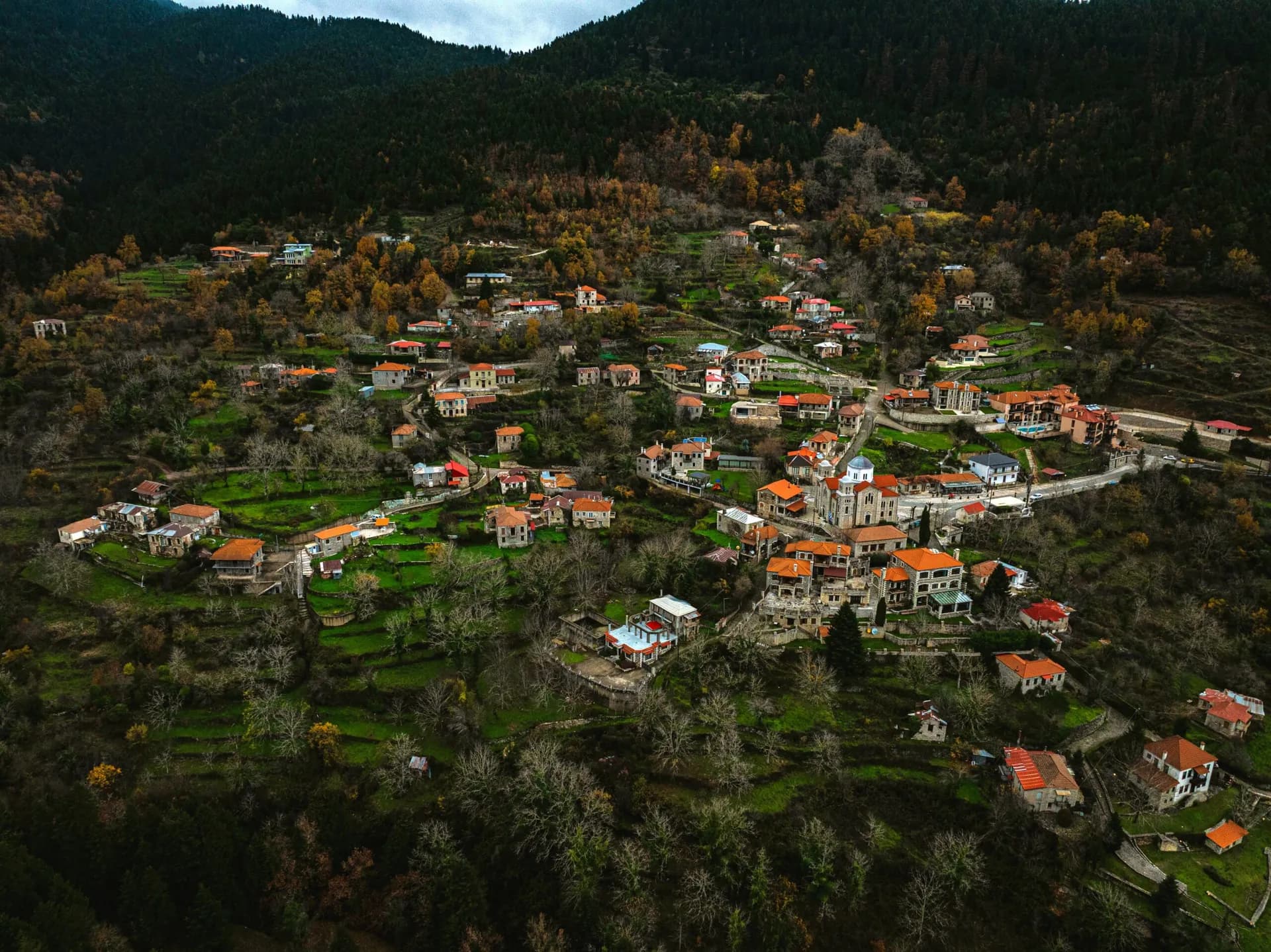
Leaving Rethymno behind, we head inland and climb toward Argyroupoli, known for its springs. A beautiful village untouched by time, hosting lovely cobblestones, stone houses, and beautiful authentic corners.
The settlement is built at an altitude of 260 meters between two rivers, Mouselas and Petres. The existence of the rivers and the continuous presence of water play a catalytic role in the wild vegetation, the coolness, and the exceptionally beautiful landscape. Its rich soil produces olive oil and wine of exceptional quality, as well as citrus fruits, cereals, carobs, acorns, and livestock products, an element that attracted the interest of the Venetians who settled there. At the same time, the settlement, which represents the historical continuation of Ancient Lappa, is full of traces of ancient and more recent civilization, while inside and around it there are excavated sections of the ancient city, Roman remains, Venetian buildings with unique doorways, and Byzantine churches. Near the settlement are wonderful rock-carved Roman tombs as well as a small church dedicated to the Five Virgins who were martyred in the persecutions of Emperor Decius in 250 AD.
In Argyroupoli, there's the small church of Agios Ioannis, which was built in the 18th century. This is one of the first buildings visitors encounter when entering the "Panohori" of Argyroupoli. The construction of such significant works is an indication of the prosperity that stone-carving art continues to experience in the area during the late 19th century, imitating earlier forms, like the bell tower of Arkadi Monastery.
Beyond architecture, Argyroupoli, while maintaining its authenticity, has managed to combine traditional gastronomy with quality local products. Several tavernas in the settlement's center serve delicious dishes based on seasonality and locality of ingredients. In this way, the Cretan diet is kept alive. In this context is a special effort by Dimitris Stathakis, who runs a very beautiful and refined cafe called "Bistro." Arriving in Argyroupoli, while still in the car, it caught our attention. We left the car and headed to the cafe. Observing the logo, you'll see an abstract writing of the word "bistro." Asking Dimitris how it came about, he tells us: "That's how our daughter wrote the word several years ago, and we decided to keep it." Dimitris is from here and, before dealing with the cafe, had worked in the tourism sector. "My father, Manolis, decided to open the shop in 2016. Then I too decided to get actively involved, and today we work on it with attention and care for details."
As the conversation progresses, there are some interruptions so Dimitris can prepare some orders. We already have our coffee, while we're tasting a piece of the ultra-fresh and fragrant apple pie. "The sweets are prepared daily for us by our friend and neighbor, Chrysa. Besides apple pie, one can find various cakes, chocolate pie, and options suitable for vegans. We also serve homemade lemonade." The shop's walls also host various handmade bags, which Dimitris' sister, Antonia, makes on the loom. The space hosting the "bistro" is a building from the 1930s, which is also an iconic building for the village, since in 1965 and for three years it housed the village high school where Dimitris' father, Mr. Manolis, had attended.
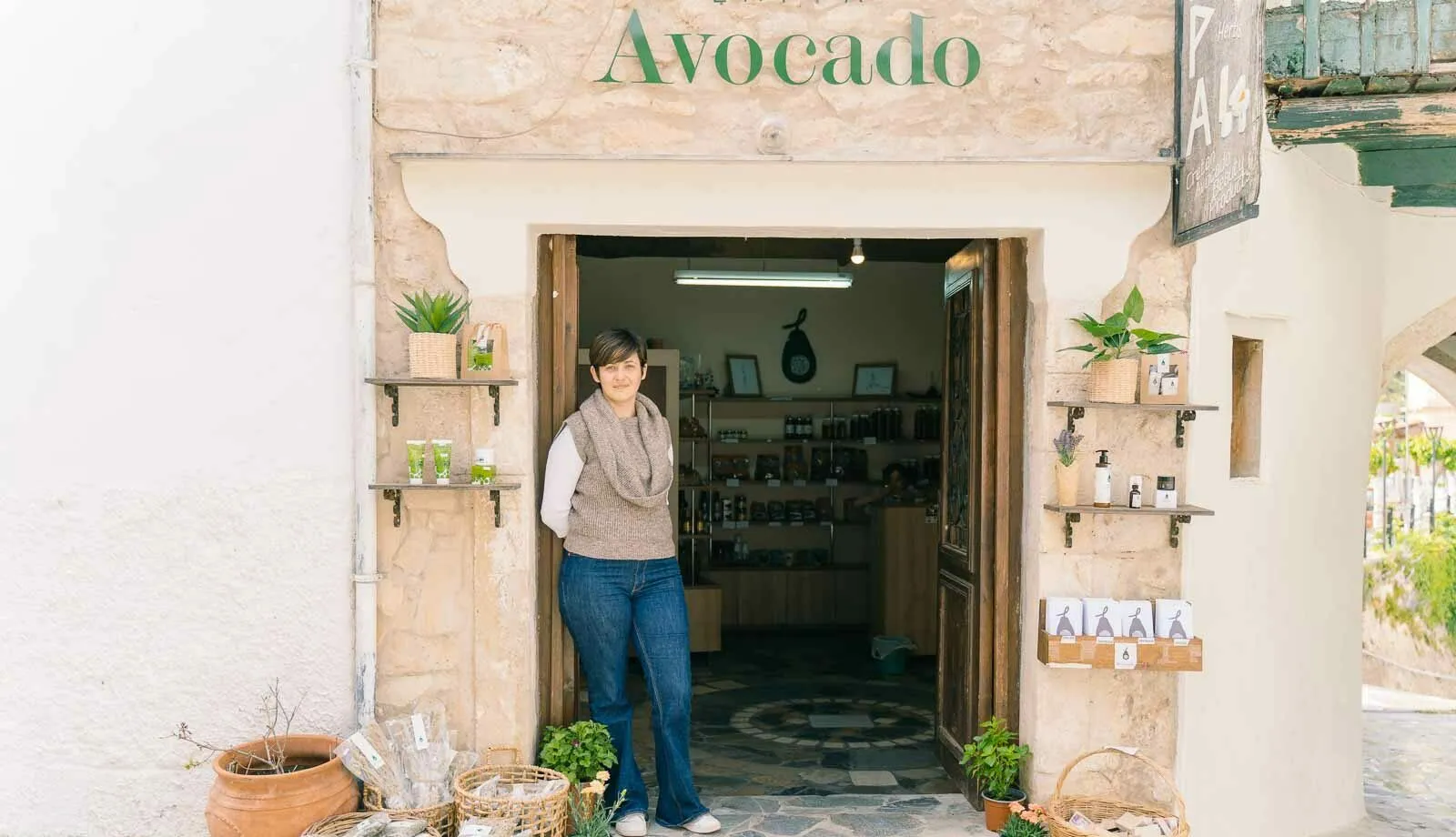
A few meters further we'll meet Maria-André Anna Manousaka, who since 2007 has been actively involved in cultivating avocado trees and producing products with the fruit as the main ingredient. "My father, Stelios, when he returned from Canada in 1984, created the first plantation. He had started with 500 trees and at first couldn't find a market to sell them. However, the fact that a family member was facing some kind of skin condition prompted him to create an avocado oil, which proved to work very beneficially.
This fact made him create Lappa Avocado, which since 2007 has been taken over by Maria. Our meeting was at the shop she maintains, where, while talking about the family's history, she showed us some of the products. Various cosmetics, avocado oil, soaps, essential oils, as well as local producers' products, complete the product range.
Frequently Asked Questions
What makes Greek food unique?
Greek cuisine is built on simplicity and quality ingredients. What makes it distinctive is regional variety — every island and mountain village has its own flavors, often unchanged for centuries.