Methodical, visionary, bold, stubborn, with a strong presence in both vineyard and winery, he created a small wine miracle Insider guide by food journalist
Methodical, visionary, bold, stubborn, with a strong presence in both vineyard and winery, he created a small wine miracle.
They were the first Greek bubbles I saw rising in my glass. I'll never forget my surprise when I first tasted Greek sparkling wine. Surprise, pleasure, pride. It was nearly two decades ago that I had the joy of tasting the famous Amalia by Tselepos.
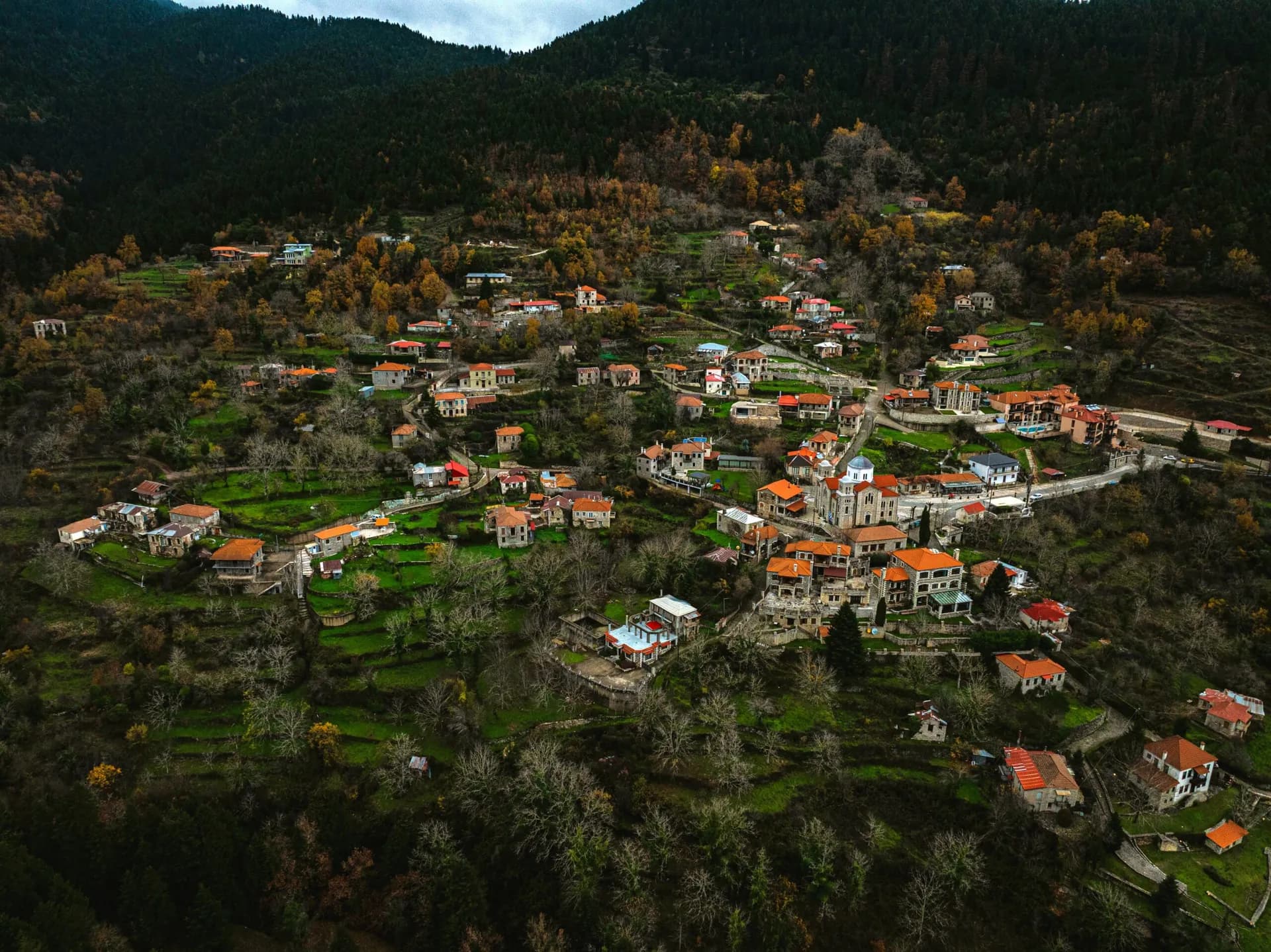
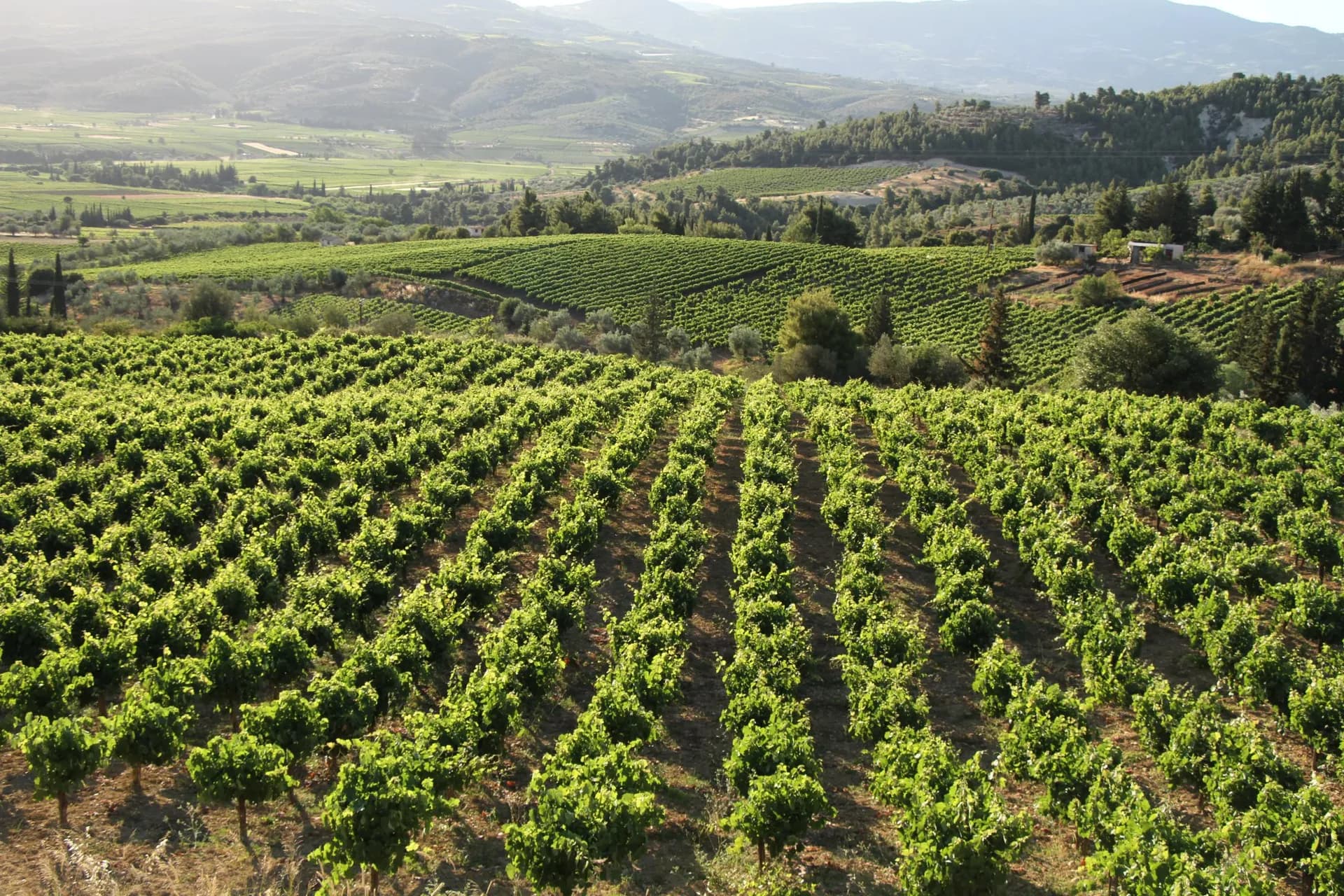
Doubly proud that the winery, besides being Greek, was in the land of the Peloponnese, I set out to visit them. And I met an exuberant Cypriot who fell in love with his Amalia and, along with her, the magical land of Arcadia. And he planted an exemplary vineyard, to bottle the uniqueness of Mantineia's terroir.
A few years earlier, in 1996, he dared to bottle the first sparkling wine from Moschofilero using the traditional Champagne bottling method, the famous Amalia Brut.
After immersing himself in and working wonders with Moschofilero, he gradually succumbed to the charm of Agiorgitiko, establishing a wonderful vineyard in Nemea, thus playing a leading role in the wine identity of the entire Peloponnese. And later in Santorini too. Methodical, visionary, bold, stubborn, with a strong presence in both vineyard and winery, he created a small wine miracle. In 2019, this miracle completed a three-decade cycle, gradually passing into the hands of the second generation. This new generation consists of Andriani and Aris, two children with genuine love for wine, travel, and knowledge. A short while ago I was once again in Mantineia, in Rizes Arcadias at the famous winery and the 500-acre vineyard, on the occasion of the opening of an ultra-modern space for tastings. Getting to know Andriani and Aris, we talked of course about wine, but also about many travels, future plans, favorite places. Aris told us in more detail, while Andriani helped us greatly with the selection of photographs. "I usually neglect to organize photos, so my sister is the most suitable to help you with that," he told me. And so it was. Thank you, Andriani. Talking with Aris Tselepos, and although I want to talk about travel, our conversation cannot but begin with wine.
You grow up in a house where wine and vineyards are dominant. What do you remember as your first contact with them?
It's true that wine was part of my daily life from a young age. It accompanied us in all the special moments as a family, and there was genuine love for it not only from my parents who were professionally involved but also from my grandfather who did it with passion as an amateur. I won't forget the first time I harvested at age 6-7 and realized that things in practice aren't as easy as they seem.
You enter the world of wine for real, choose to get the proper education, travel with that as your axis. Which journey is the one that has stayed in your mind and you would do again?
New Zealand for me was a journey of a lifetime both in relation to wine and overall as a destination. I went there for 4 months to work the harvest and then to explore both islands. It's an enchanting place that combines all the positives of the western world, with good infrastructure, services, and professionalism, while at the same time the people there have managed to keep the tremendous natural beauty of their place unchanged. Vineyards, volcanoes, lakes and rivers, endless meadows, even fjords compose just some of the unique landscapes one can encounter there. As for wine, they managed in 30 years from absolute zero to have their own school and their own particular wine style with Sauvignon Blanc, having grown their brand.
You go to California. There you're educated and work on wine. What do you remember from that experience?
I had the great fortune to do my master's degree on wine at a university with amazing professors, staff, and facilities, and to gain my first practical experience there in winemaking. I firmly believe that from every experience we should focus only on the positives we derive, and from my experience in America I took many: How approachable everyone is and unpretentious from the first contact, the multiculturalism of the place that gives you the opportunity to truly get to know all the cultures out there, and how passionate and professional they are, perhaps to an overly positive degree, while observing all the required regulations. I understood that those working within the wine industry in California do so purely because of the love and passion they have for the subject, since compared to other opportunities there, especially in relation to the technology industries, involvement with vines and wine gives the least financial rewards.
Returning to Greece, you enter fully into the estate's daily life. How does your daily life evolve?
I'm blessed that because of my work, routine is completely absent from my daily life. I divide my time mostly between Athens and Mantineia, and also Santorini in summer where we've also been making wine in recent years. I deal with different issues from vineyard cultivation and winemaking to the marketing and sales part, trying to have a comprehensive view. I'm fortunate to have my sister as a companion in this effort, with whom we have a special relationship of trust and understanding and we collaborate perfectly to achieve together the goals we have for the company.
You travel often. Which journey would you recommend to us in relation to wine?
Travel is my great passion besides wine, and I try never to miss the opportunity to discover a new place. There are so many exotic places where wine plays a leading role. However, for someone who truly loves the subject, I believe they must first of all visit Bordeaux, a city that truly revolves around wine and is simultaneously a pioneer in wine developments while also enclosing the history of quality wine. Of course, a special place in my heart also belongs to Napa Valley, which for me constitutes the corresponding wine capital of the New World of wine and is the first place where I actively participated in producing a very quality wine.
Common Questions
Where can I find this in Athens?
The Central Market (Varvakios Agora) on Athinas Street is the best starting point for any serious ingredient hunt in Athens. It's open weekday mornings and is genuinely one of the great food markets of Europe — chaotic, loud, and completely authentic. Go with a local if you can. I take people there on my Athens food walk.
What makes Greek versions of this different from what I've had elsewhere?
Greek cooking is obsessed with quality of ingredients, not complexity of technique. The olive oil is better. The tomatoes taste like tomatoes should. The feta is brined in whey, not plastic brine. When you eat the same dish in Greece vs. a Greek restaurant abroad, you're eating fundamentally different food.