Among chestnut groves and stone houses, a small café becomes a meeting point Plan your Athens food experience with Dimitris.
Among chestnut groves and stone houses, a small café becomes a meeting point.
Alexandros Kiosis serves coffee almost ceremonially. In the small café-grocery store he opened in Vasiliko, Pogoni, his movements have the rhythm of village daily life, not Athens, where he worked until 2011 as a sound engineer.
He named it "Lipa," from the Slavic word for linden, the tree that stands in Balkan village squares as a meeting point. Just so here, there's a linden tree outside the shop. And that's exactly what his shop is: a place where everything begins and ends in this village in northwestern Ioannina.
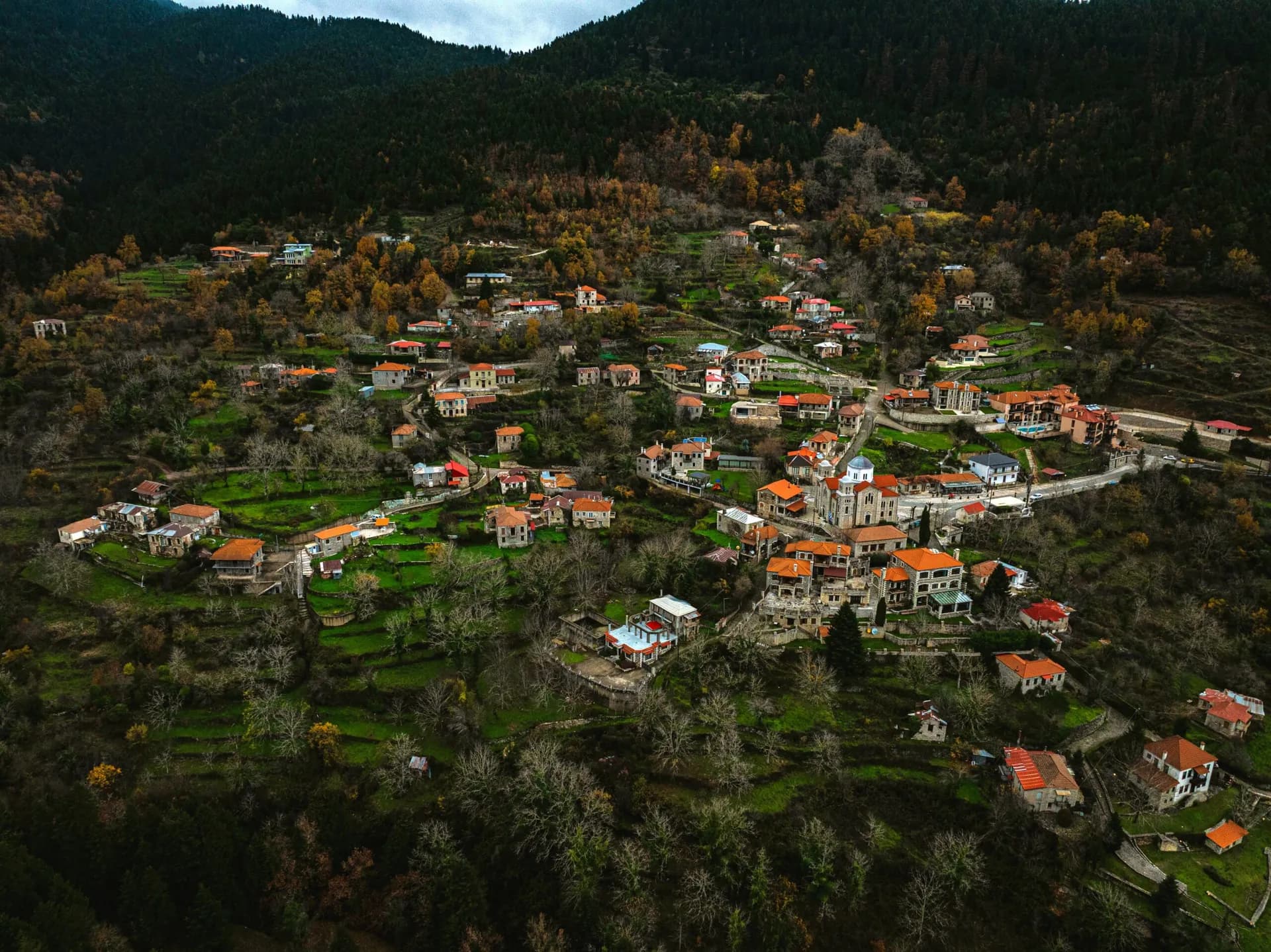
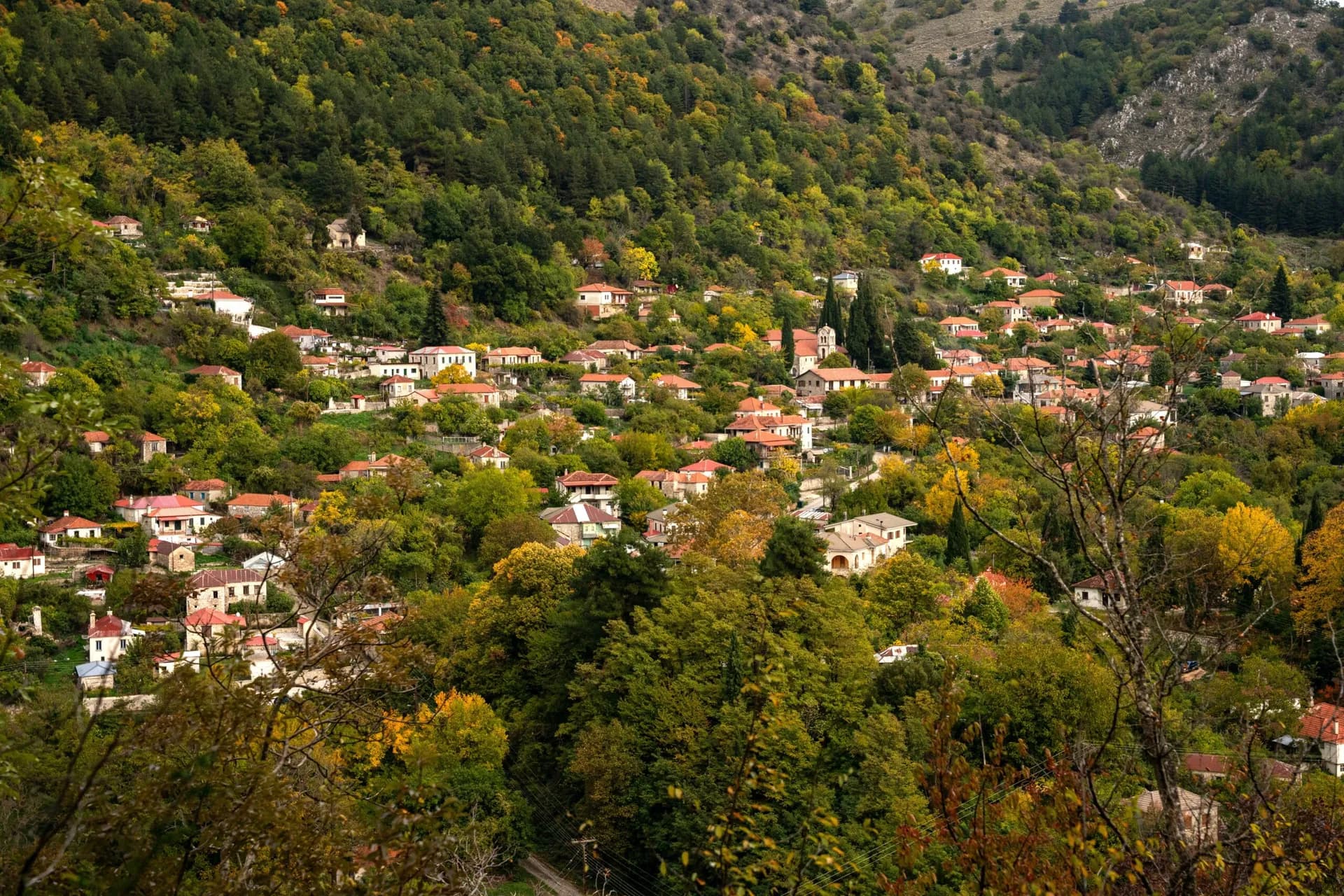
Vasiliko, known as Tsaraplana until 1928, sits on the slopes of Dousko, a few kilometers from the Greek-Albanian border. Stone houses, narrow cobblestone streets, a tranquility that soothes. Here in 1886, Athenagoras was born, the Ecumenical Patriarch who became a symbol of dialogue among Christian Churches. Here, at the site "Palaiokastro," coins from Pyrrhus's era were found. Here, in the first Ottoman census of 1431, just 15 houses were recorded, with the settlement referred to as "Girapnana." The layers of history are so many that it's hard to distinguish where one era ends and the next begins.
What you see first, however, isn't the monuments, it's the trees. The chestnut grove wrapping the village isn't a wild forest but planted, according to locals, by the Venetians. They introduced chestnut cultivation as an alternative to wheat: they ground the chestnut and made flour, made bread, and that's how mountain populations were fed. The wood served in construction, resistant to moisture, almost eternal. In the '50s and '60s, the local cooperative systematically managed production. Chestnut was an exportable product; the village lived from it.
Then came depopulation. People left, trees fell ill, the cooperative dissolved. Today, a new cooperative scheme tries to re-establish management: forest cleaning, removal of sick trees, certification of chestnut as a local product. They still talk about hiking routes through the chestnut grove. Agrotourism, as a survival necessity not a fashion.
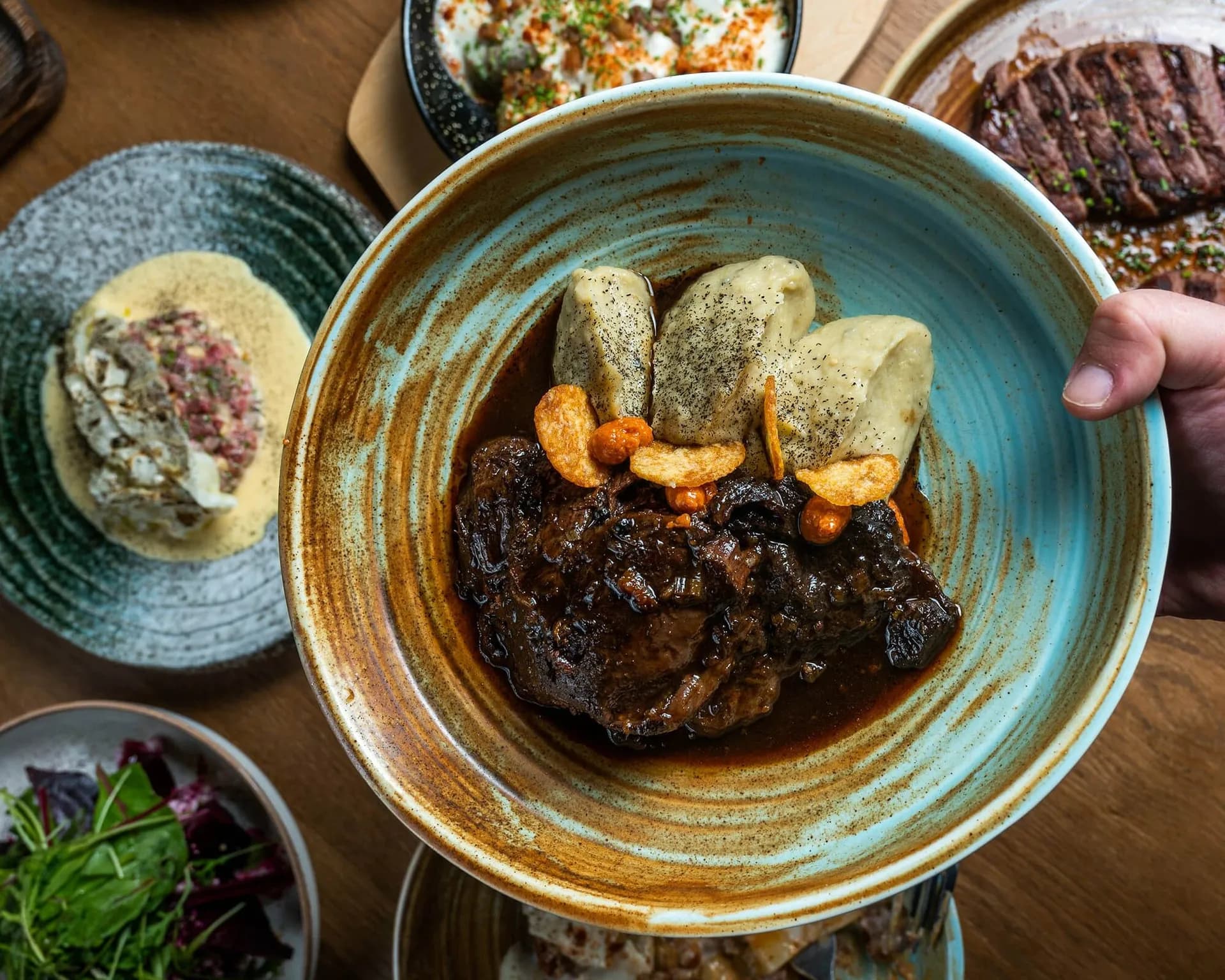
Back at Lipa, Alexandros prepares chestnut stew. Vegan, with cinnamon and clove, a dish that fed entire generations through winter. His cuisine follows the forest: mushrooms, game, wild greens, handmade pastry sheets. Kassopita with local cheeses. Cabbage rolls with rich egg-lemon sauce, according to Pogoni's recipe. The cabbage blanched with care, the filling flavored with dill and parsley. Tsigarides, leek sausages.
Lipa isn't a restaurant: it's a grocery store, café, informal "tourist office," and the village's living room, all together. From seven in the morning it serves coffee to locals. At noon it cooks for whoever's there. In the afternoons it explains to passersby where to walk: in the chestnut grove, at Saint Constantine Monastery, at Pyrrokastro with the ruins of the ancient acropolis. For the more ambitious, the peak of Nemercica at 2,207 meters, with views of both sides of the border.
Vasiliko's population has decreased significantly. The elementary school closed, as in many villages, and services shrank. It once had three doctors and five teachers. Today it has Alexandros and a handful of people who believe this place's story isn't over.
Walking with him through the chestnut grove, among trees that are cared for and others left to fate, the difference is visible to the naked eye. The trees receiving care live differently. As if they know someone cares. Leaving Vasiliko, you take with you the taste of chestnut and the certainty that there are still places in Greece where a café can keep a village alive. Or at least try.
Common Questions
Is Ioannina worth visiting just for the food?
Absolutely — and I say this as someone who has eaten across most of Greece. The Northwestern Greek kitchen is the most underrated in the country. Lamb cooked over wood, pies made with hand-rolled phyllo, freshwater fish from the lake, and bougatsa that will ruin all other bougatsa for you. Plan a long weekend minimum.
What's the one dish I can't miss in Ioannina?
The lake eel, if you're adventurous — it's been a Ioannina specialty since Byzantine times. If that's too much, then the lamb in garlic sauce at one of the lakeside tavernas. Either way, sit by the water, order local wine, and take your time.