An unimaginable sight, with vast rice fields, unfolds in the Axios Delta region Endless rice fields, wooden houses that seem to By food journalist Dimitri
An unimaginable sight, with vast rice fields, unfolds in the Axios Delta region
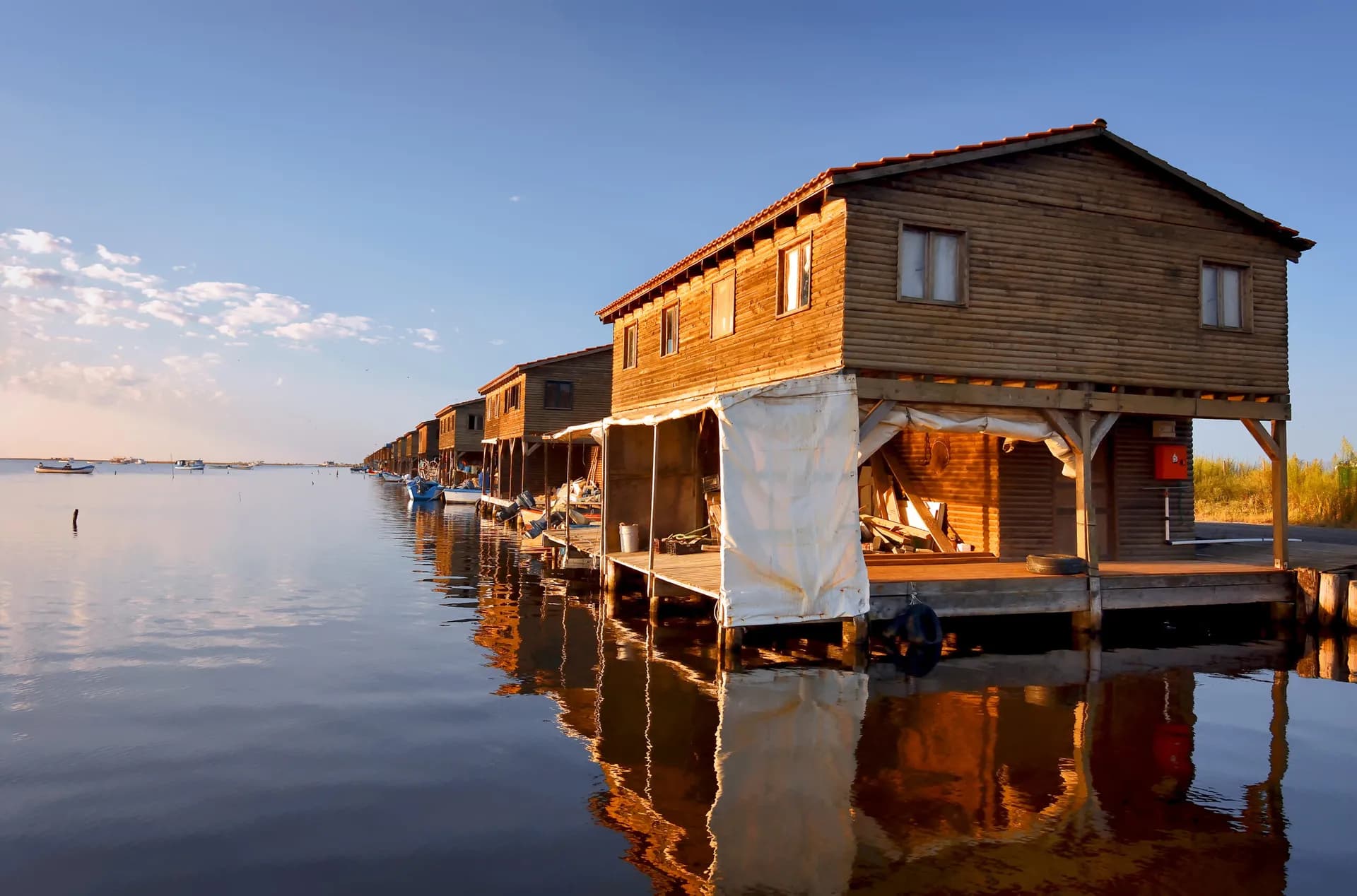
Endless rice fields, wooden houses that seem to sprout right from the water. Small jetties with posts driven into the seabed, beautiful boats swaying gracefully. The mouths of three rivers, a national park, a bird sanctuary, a lagoon with bold lines on the horizon. Welcome to one of Europe's largest rice-growing areas, in the famous Thessaloniki plain, in the northeastern corner of the Thermaic Gulf. Magical and rare images, a mix of Asia and the Balkans, in reality an unprecedented landscape a breath away from Thessaloniki, inviting you to discover an entire universe.
A wetland system consisting of the Axios and Aliakmonas River Deltas, as well as the mouths of the Loudias and Gallikos rivers, combined with the Kalochori lagoon and the Kitros Salt Flats, have created an environmental paradise. The colorful bee-eater, the elegant little egret, the brilliant kingfisher, the Dalmatian pelicans with their bright red beaks, the enchanting flamingos, and the slow-moving turtles coexist with water buffalo, herds of wild horses, and dozens of reptiles and amphibians.
The abundant river water, the rich soil constantly enriched by sediments and organic elements from the water, combined with the calm waters of the Thermaic Gulf, created a gastronomic paradise. First and foremost is rice. About 100,000 acres of rice fields extend within the National Park and constitute one of Europe's largest rice-growing areas. On the occasion of an information program about European rice, Novacert organized a tour of the Chalastra rice fields, where producers cultivating Sustainable Rice in Greece follow certified procedures aligned with the integrated crop management system for rice.
Specifically, here in the Chalastra region, about 70% of Greek rice is produced, mainly long-grain Japonica, with varieties Ronaldo, Luna Gloria, and short-grain Indica type, with varieties Gladio and Sirio. The rice cultivation cycle coexists harmoniously with the area's fauna, and rice fields often function as artificial seasonal wetlands. The protected gulf is an ideal environment for mussel cultivation, which together with rice has created a rich local gastronomic tradition with dozens of recipes. Besides mussels, the numerous fish have defined the landscape. Dozens of boats along with the beautiful wooden fishermen's houses, literally in the water, create unique images.
In the wider National Park area, there are dozens of monuments that firmly hold the thread of history and gradually unroll it to visitors. The arched Roman bridge standing in the middle of the plain dates to the 3rd century AD and once connected Thessaloniki with Pella. The area of Ancient Pydna with its castle and the Byzantine bishopric of Kitros whispers stories from the early Byzantine years. The Turkish mansion of Bey Adnan Chifsi, beautiful and imposing, south of Valtochori, speaks of the power of an empire that determined the region's fate for five whole centuries.
When liberation came, the agreement of Ottoman forces for the bloodless surrender of Thessaloniki to the Greek army was signed on these lands, in the building that today houses the Museum of the Balkan Wars, in the village of Gefyra. Finally, an otherworldly lighthouse stands at the lowest eastern edge of the Axios River mouth and marks the passage from Thessaloniki Bay to the open Thermaic Gulf.
Axios Delta: An Impressive Water Expanse, a Breath from Thessaloniki
Thessaloniki: The Best Spots and New Arrivals in the City of Contrasts
Stavros: A Destination Beloved in Thessaloniki, with a Plane Tree Forest by the Sea
Frequently Asked Questions
What makes Greek food unique?
Greek cuisine is built on simplicity and quality ingredients. What makes it distinctive is regional variety — every island and mountain village has its own flavors, often unchanged for centuries.