Whatever time of year you visit, you'll be impressed by the colors, aromas, and variety of species Discover Greece with a local expert.
Whatever time of year you visit, you'll be impressed by the colors, aromas, and variety of species.
The inspiration for creating the Chania Botanical Park, located 11 miles outside the city of Chania at the foothills of the White Mountains, was a fire that burned the area in 2003, along with the sensitivity and determination of an inspired man, Petros Marinakis.
After the fire, the economic and ecological destruction for the village was incalculable. About one hundred thousand "tsounati" olive trees, over 400 years old, burned, and the Skordalou settlement was left in very bad condition. "Facing the scorched earth, my only thought was to plant it again. To make our land bloom again. The fact that the natural environment was destroyed so suddenly caused me unspeakable sadness. Equally sad for me, though, was the fact that all this happened in an era when people have distanced themselves from nature," notes Mr. Marinakis. "The distance between the idea and its implementation was great, often tiring, and presupposed inexhaustible patience, devotion, and persistence. We're proud that the Botanical Park and Gardens of Crete are unique in Europe. However, the effort doesn't stop here. Our goal is to continuously enrich them with new plant and tree varieties, new experience trails," he emphasizes.
It's an area of about 200 acres, with fruit trees from around the world, herbs, medicinal and ornamental plants. It's a different kind of park, where the terrain configuration and the area's microclimate make it a paradise for thousands of plants and animals.
From whatever perspective one sees their visit here, whether as a scenic hike or as an interesting wander through nature's paths, the Botanical Park is the ideal alternative proposal for a day trip away from city noise and cosmopolitan beaches. Here, the spectacular scenery is composed of rare specimens of local flora and fauna, as well as other tropical and subtropical varieties from around the world, specimens that increase daily, changing the Botanical Park's appearance and giving visitors the incentive to enjoy it again and again.
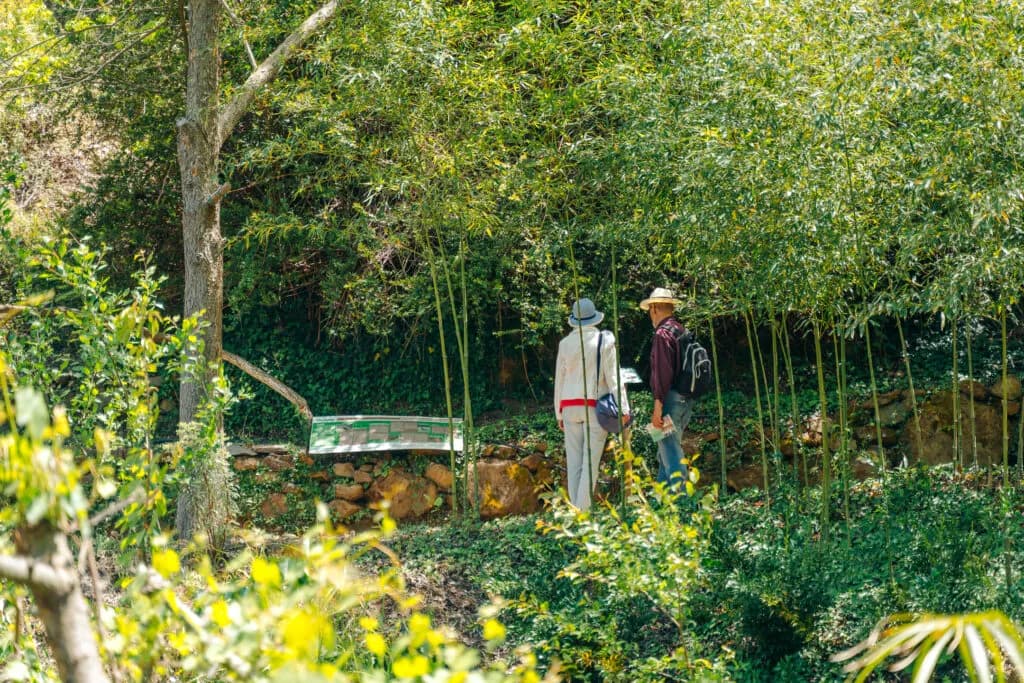
The park visit experience lasts almost two hours, where visitors can follow paths of natural beauty while having the opportunity to learn about the many and varied plants and trees thriving on the planted slope. Proper trail signage guides their steps to the Botanical Park's various sections, where they'll see tropical and fruit trees, citrus trees, herbs, and vines.
The green landscape is completed by the lake in the lower part of the park, which offers shelter and protection to ducks, geese, and other aquatic birds, while hawks even fly in the area. The park also has an outdoor, stone, and atmospheric amphitheater, which is suitable for small events.
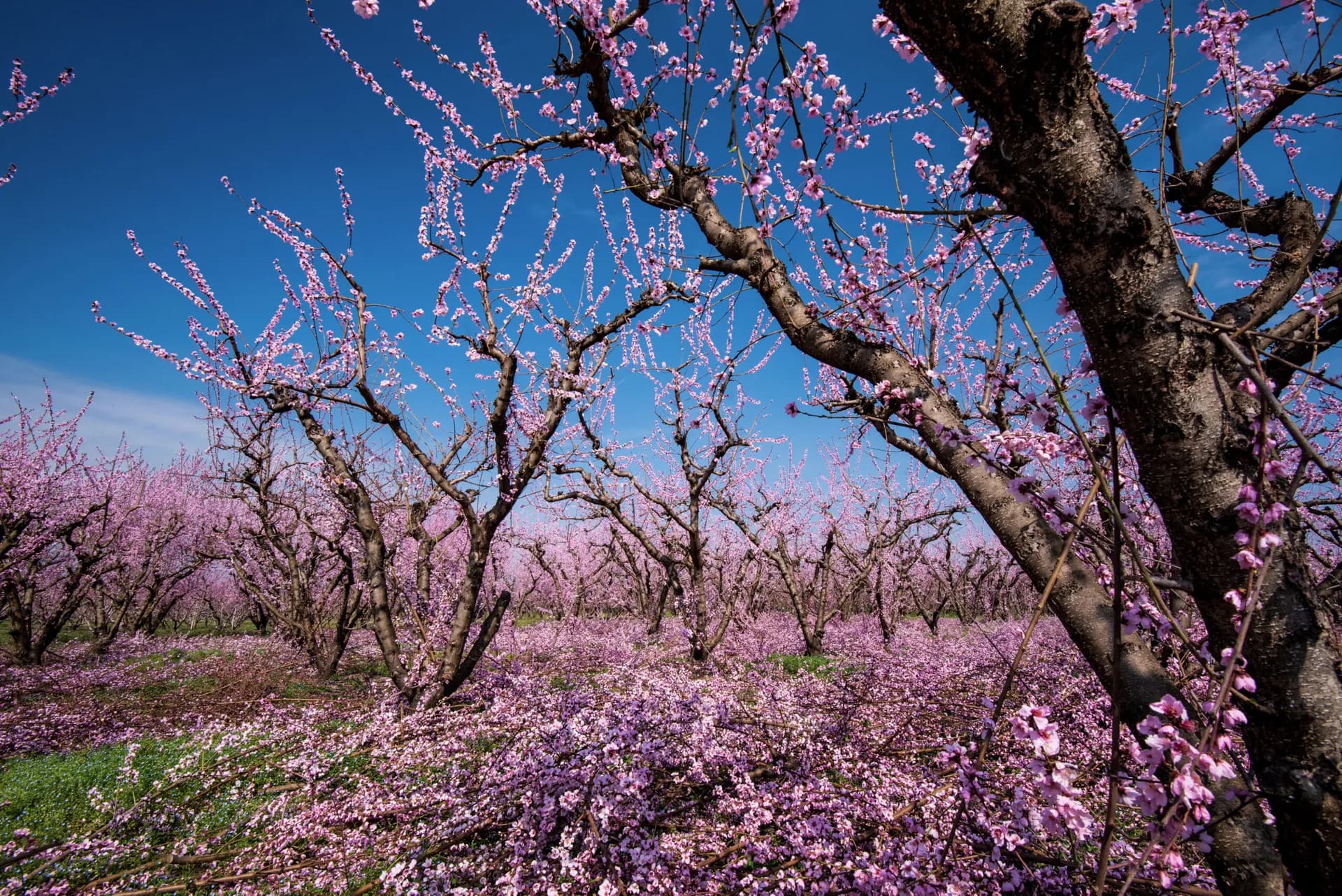
Depending on the time of year you plan your visit, you'll have the opportunity to enjoy flowers, plants, and trees at all stages of their life cycle, along with the different types of wild flora and fauna attracted each season. Whatever time of year you find yourself at the Botanical Park, though, you'll certainly be impressed by the colors, aromas, and variety of species. The experience can be completed by enjoying unique flavors at its restaurant with an incredible view.
Theodorou: The Crete Islet That's Visitable Only Once a Year
The Unique Elephant Cave in Chania
Chania: A City Full of Stories
Common Questions
How do I get here from Athens?
Most destinations covered on this site are 2 to 4 hours from Athens by car. I always recommend renting a car rather than joining a bus tour — you control your stops, you can pull over when something looks interesting, and the drive itself is often half the experience in Greece.
What is the best time to visit?
April to June is my personal preference — the wildflowers are out, the crowds haven't arrived, and the light is extraordinary. September and October are equally good. Summer is beautiful but you'll share it with everyone else. Winter is underrated and deeply local.