Kefalonia manages not to lose its traditional image, maintaining unchanged the authenticity that makes it unique Insider guide by food journalist Dimitris
Kefalonia manages not to lose its traditional image, maintaining unchanged the authenticity that makes it unique.
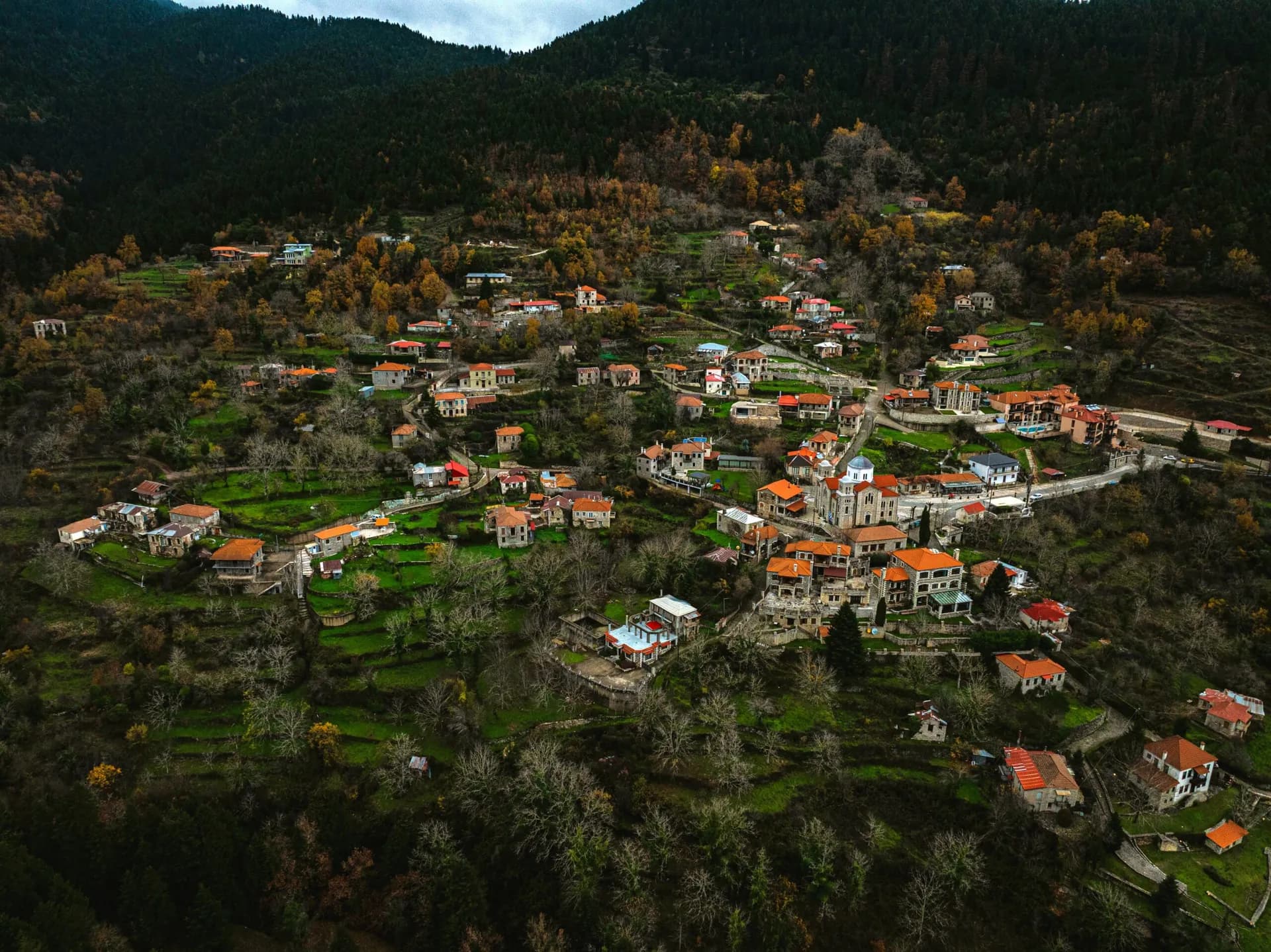
We arrived in Kefalonia at the end of June, when tourism had begun to be intense on the island. However, Kefalonia manages not to lose its traditional image, maintaining unchanged the authenticity that makes it unique. From the first steps on Argostoli's picturesque cobblestones, it becomes clear that here gastronomy is not just food, it's culture, history, and art transmitted from generation to generation.
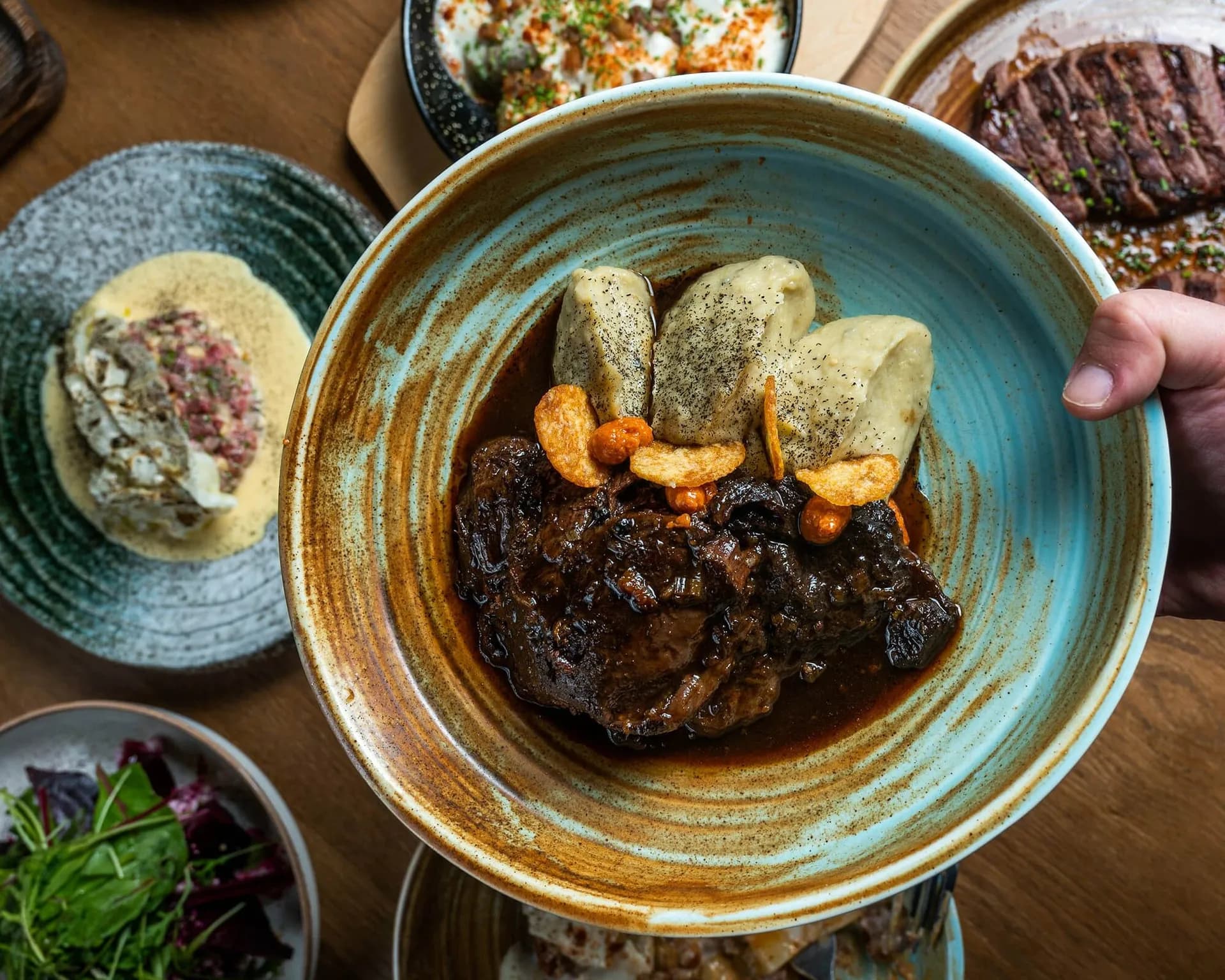
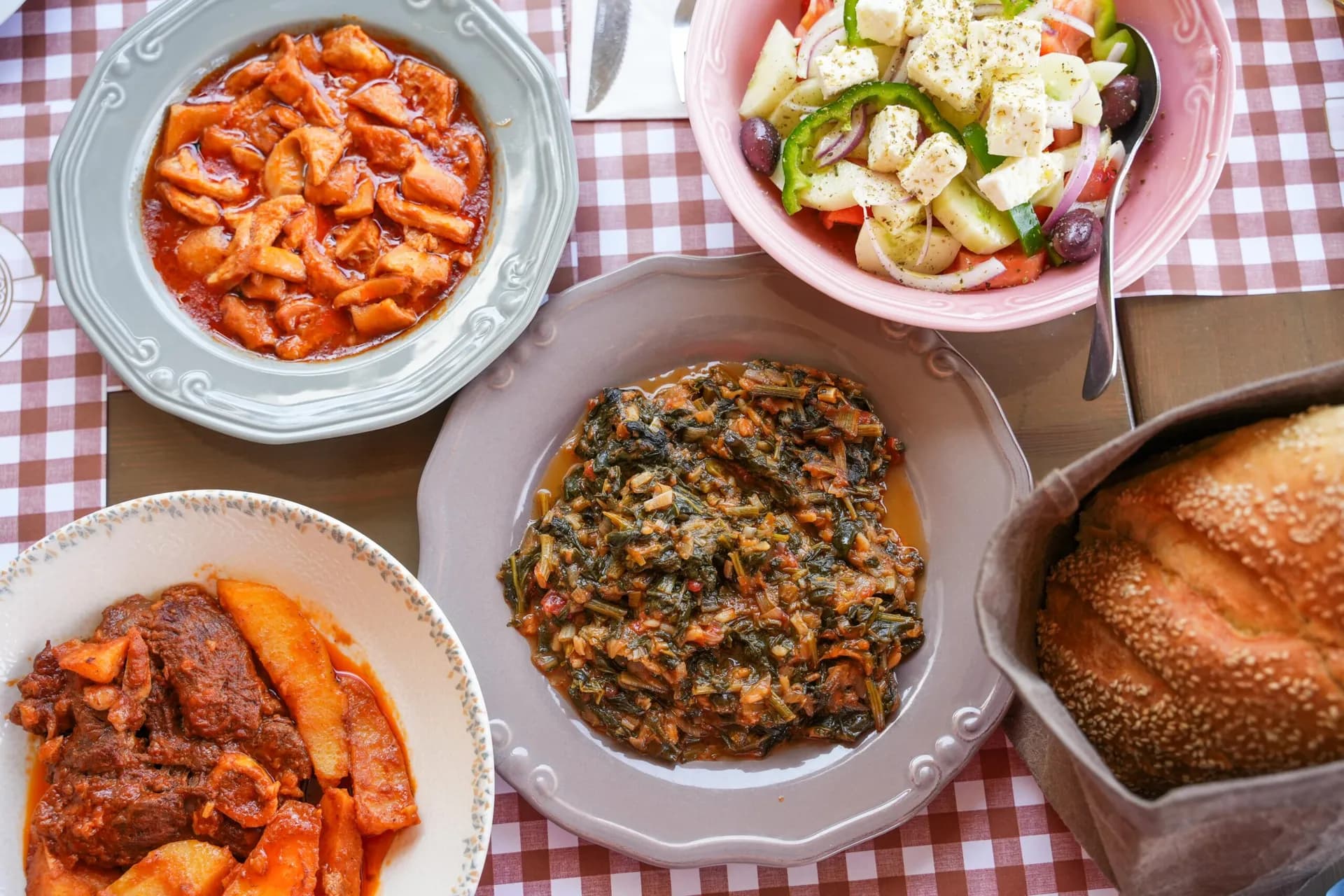
Kefalonian cuisine is a mosaic of flavors reflecting the island's rich history. The cooks we met honor the local cuisine with respect and devotion, maintaining traditional techniques and pure products that make the difference. Each dish tells a story, each flavor brings memories from the past. Kefalonia's famous meat pie is one of the island's most traditional dishes and recipes. The art of its preparation, with the right balance of aromas and perfect dough, remains unchanged through time. Each family keeps its own secrets, each cook adds her own touch to the classic recipe.
Kefalonian Tratarisma Festival
Recognizing the need to preserve and showcase its precious gastronomic wealth, Kefalonia organizes the Kefalonian Tratarisma, a festival dedicated to traditional island cuisine. The event functions as a bridge between the past and future of Kefalonian gastronomy, giving visitors the opportunity to taste authentic recipes transmitted orally from generation to generation.
The heart of our trip was visits to local producers. Each meeting was a unique experience of getting to know the people behind the products and their stories.
Cooking Under the Ancient Oak
One of the most moving moments of our trip was when chef Giorgos Antonellos, in collaboration with the Agricultural Wine Cooperative of Robola Producers of Kefalonia, Orealios Gi, cooked under a centuries-old oak tree on a traditional threshing floor. The soup with goat meat and kritharaki was prepared in a large cauldron, as was done in the past at the island's festivals and celebrations.
The experience of cooking in a large cauldron, with flames dancing beneath the metal and aromas wafting into the air, transported us to other times. As we all sat together under the oak tree, sharing soup accompanied by wine and listening to stories from the past, from when people worked the vines manually, harvested by hand, and made their wine with traditional methods. The memories of the elders wove the past with the present, creating a unique atmosphere.
Liocharis Olive Oil Mill
Our visit to Liocharis Olive Oil Mill of Kefalonia was an educational experience in the world of olive oil. There we saw different olive oil varieties, learned to recognize the smells and aromas that characterize each type. Our tasting started with the mildest olive oils and gradually progressed to the more intense ones, with each tasting revealing the complex taste identity of Kefalonian olive oil.
Galiatsos Dairy
At Galiatsos dairy, we tasted a variety of local cheeses, from the mildest to the most mature and intense. Each cheese narrated the story of the place, the tradition, and the expertise transmitted from generation to generation. Meeting the cheesemakers and their techniques gave us a deeper understanding of the importance of traditional cheesemaking.
The Festival at Thalassomylos
The Kefalonian Tratarisma took place at the iconic space of Thalassomylos in Argostoli, becoming a festival of tastes, aromas, and creativity. The event brought to the forefront the contemporary identity of local gastronomy, centered on wine, pure products, and the knowledge of the people who produce them.
The Tourism Committee of Argostoli Municipality, curated by Antheia Kotsi Communications, highlighted the dynamism of the island's small producers and winemakers. The public had the opportunity to taste, converse, and discover the wealth of Kefalonian land through an experiential experience combining tradition with contemporary gastronomic approach.
The festival was officially opened by Deputy Mayor of Tourism Nikos Kourkoumelis together with curator Antheia Kotsi. On the Live Cooking Stage, food journalist Eleni Psychouli and chef Giorgos Antonellos presented an original bruschetta inspired by Kefalonia, with aliada and boiled zygoури. Ioanna Stamouli continued with a sweet yogurt cake with Kefalonian almonds, combining traditional pastry with local identity. Each creation was a contemporary interpretation of the island's classic flavors.
The festival's success was based on a broad alliance of local organizations and producers. Participating businesses included Ainos Wines, Gentilini Winery, Sclavos Wines, Sarris Wines, Petrakopoulos Wines, Charitatos Estate, Kritonou Olive Oil, Katsouris My Honey, Ratsiatos Dairy, Parisis Dairy, and Ertsos Georgios, Gennima Gis.
Each producer brought their own story, their own philosophy, and their own approach to quality. Meeting these people was the most precious part of our trip: getting to know the true guardians of Kefalonian gastronomic tradition.
Leaving Kefalonia
Leaving Kefalonia, we carry with us not only tastes and aromas, but mainly memories of people who love what they do. Gastronomy here is not simply professional activity, it's a way of life, culture, and tradition transmitted with respect and love.
Kefalonian Tratarisma is an important initiative that ensures this rich heritage will continue to exist and evolve without losing its authenticity. Kefalonia reminded us that true gastronomy is born from the heart, from love for the place, the products, and the traditions that give them meaning.
Common Questions
Where can I find this in Athens?
The Central Market (Varvakios Agora) on Athinas Street is the best starting point for any serious ingredient hunt in Athens. It's open weekday mornings and is genuinely one of the great food markets of Europe — chaotic, loud, and completely authentic. Go with a local if you can. I take people there on my Athens food walk.
What makes Greek versions of this different from what I've had elsewhere?
Greek cooking is obsessed with quality of ingredients, not complexity of technique. The olive oil is better. The tomatoes taste like tomatoes should. The feta is brined in whey, not plastic brine. When you eat the same dish in Greece vs. a Greek restaurant abroad, you're eating fundamentally different food.