On the steep slopes at the foot of Nemertsikas, where time seems to have stopped at 2,600 feet above sea level, the village of Discover Greece with a local
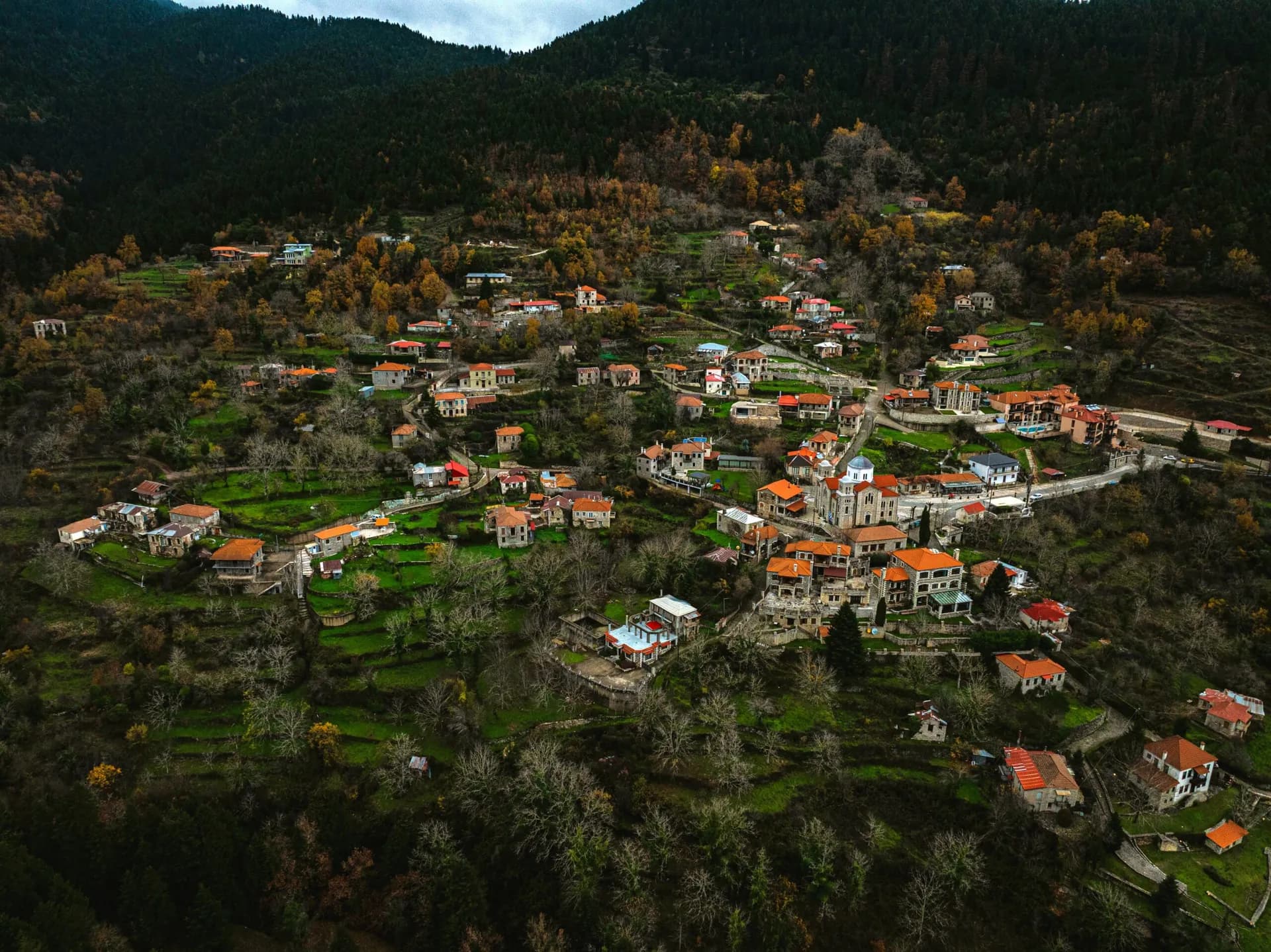
On the steep slopes at the foot of Nemertsikas, where time seems to have stopped at 2,600 feet above sea level, the village of Dolo is preparing to host one of the most important cultural events of the year. For the third consecutive year, from July 4 to 6, the event for sheep's wool (3rd Wool Dolo event) will take place. The event is held under the auspices of the Ministry of Culture as part of the project titled "Study of value chains and materials in home crafts" in which the Laboratory of Animal Production & Environmental Protection of the Department of Veterinary Medicine of the Aristotle University of Thessaloniki participates.
This event, which started with the initiative of Professor Georgios Arsenos, director of the above Laboratory, and the participation of the European Wool Association (EWA), is a bridge between past and future, an attempt to revive a craft that for centuries dominated the Greek countryside and ensured clothing, household items, economic benefits, and the preservation of cultural heritage in Greek families.
A Tradition at Risk
Dolo, one of the traditional settlements in Pogoni, Epirus, built on one of the most picturesque spots in the Greek countryside, becomes for three days the epicenter of a movement that aims to revive the processing and weaving techniques of sheep's wool and its reintroduction to modern life, connecting tradition and cultural identity.
For centuries, sheep's wool was the backbone of Greek textile manufacturing. From the simple household needs of mountain villages to large industrial exports, wool was intertwined with daily life and the agricultural economy. However, the socioeconomic changes of recent decades, combined with the widespread spread of cheap synthetic fibers, led to the gradual abandonment of this traditional raw material. Today, approximately 7,000 tons of wool in Greece are thrown away or burned as there is no possibility of utilizing them. Nevertheless, at the European level, wool from rare sheep breeds continues to be the first choice for specialized high-quality markets.
Innovation and Sustainability
The 3rd Wool Dolo event is a strategic move aimed at highlighting the unique properties of indigenous breed wool and finding new methods of exploitation and utilization. From the construction of ecological mattresses to thermal insulation of buildings, from handmade fabrics to modern biotechnological applications, wool is making a comeback with new forms and uses.
Foris Kostaras, owner of the Kostaras Farm Agrotourism Accommodation that hosts the event in Dolo, emphasizes the importance of this initiative: "Wool is our heritage, our identity. In a world that turns toward sustainable and natural materials, wool offers solutions that our ancestors knew for millennia. Our event is a bridge between traditional wisdom and modern needs."
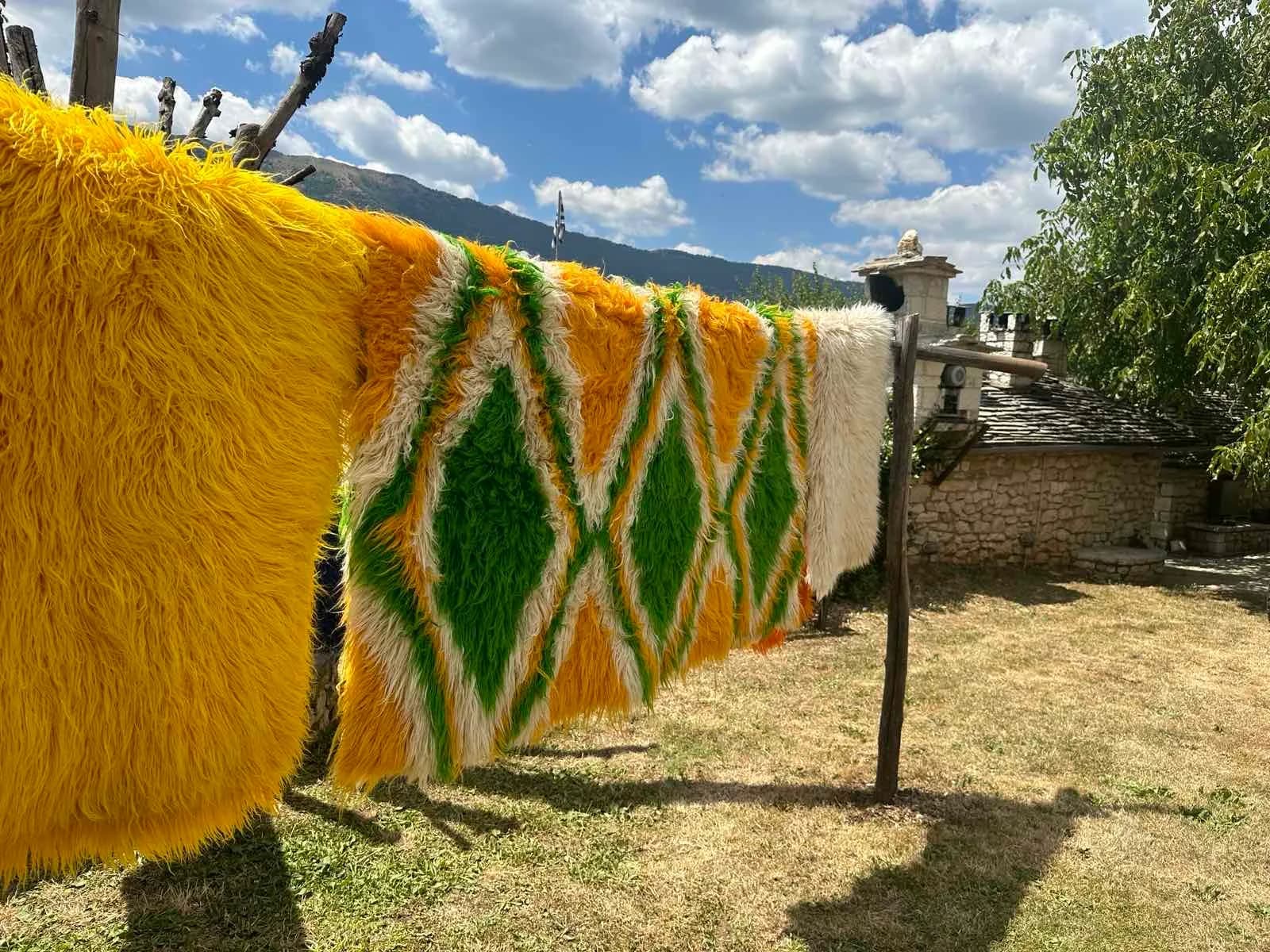
For her part, Lena Gerothanasi from The Pokari Project emphasizes the significance of the event for the new generations: "This event is for young and old. We will collectively weave flokates and embroider on woolen blankets. All this will go into the nearby water mill on Saturday night, and on Sunday morning, we will see their magical transformation only with the power of water."
Building a New Ecosystem
Professor Georgios Arsenos of the Veterinary School of AUTH, as scientific director of the wool program and founding member of EWA, emphasizes: "Recognizing the almost zero commercial value of wool produced in Greece, we decided with a group of people to start this effort so that a wool value chain is built again, highlighting it as a sustainable alternative raw material that has a positive environmental impact and contributes to improving quality of life. Foris Kostaras and his collaborators became partners in this effort, and the first Living Innovation Laboratory for sheep's wool was created in Dolo, Pogoni, a region with livestock tradition, aimed at the local economy and society, combining traditional knowledge with innovative applications. This action gradually creates a new ecosystem that brings together livestock farmers, cooperatives, cultural organizations, and researchers."
The event program is designed to offer a comprehensive experience. Visitors will have the opportunity to follow the "wool cycle" at the Kostaras farm, from the moment the sheep is sheared to its transformation into a finished product. Exhibitions of woolen weavings and handicrafts, traditional tools and machinery will revive techniques that are in danger of being lost. The presence of experts from Sweden, Germany, Belgium, and the Netherlands underscores the international dimension of the issue. Innovation, European success stories, and new utilization possibilities will be the central themes of the presentations.
The Future of Greek Wool
In an era where sustainability and environmental protection are central priorities, wool emerges as one of the most ecological materials. Renewable, biodegradable, with excellent insulation and durability properties, it offers alternative solutions to synthetic materials that burden the environment. The event in Dolo seems like a manifesto for a different way of life, where tradition meets innovation, where the past offers solutions to the problems of the future. In a world seeking authenticity and sustainability, the wool of the Greek mountains has a story worth hearing.
Common Questions
Is Ioannina worth visiting just for the food?
Absolutely — and I say this as someone who has eaten across most of Greece. The Northwestern Greek kitchen is the most underrated in the country. Lamb cooked over wood, pies made with hand-rolled phyllo, freshwater fish from the lake, and bougatsa that will ruin all other bougatsa for you. Plan a long weekend minimum.
What's the one dish I can't miss in Ioannina?
The lake eel, if you're adventurous — it's been a Ioannina specialty since Byzantine times. If that's too much, then the lamb in garlic sauce at one of the lakeside tavernas. Either way, sit by the water, order local wine, and take your time.