A village nestled on the lush green hillsides, just eight kilometers east of Selçuk Insider guide by food journalist Dimitris Stathopoulos.
A village nestled on the lush green hillsides, just eight kilometers east of Selçuk.
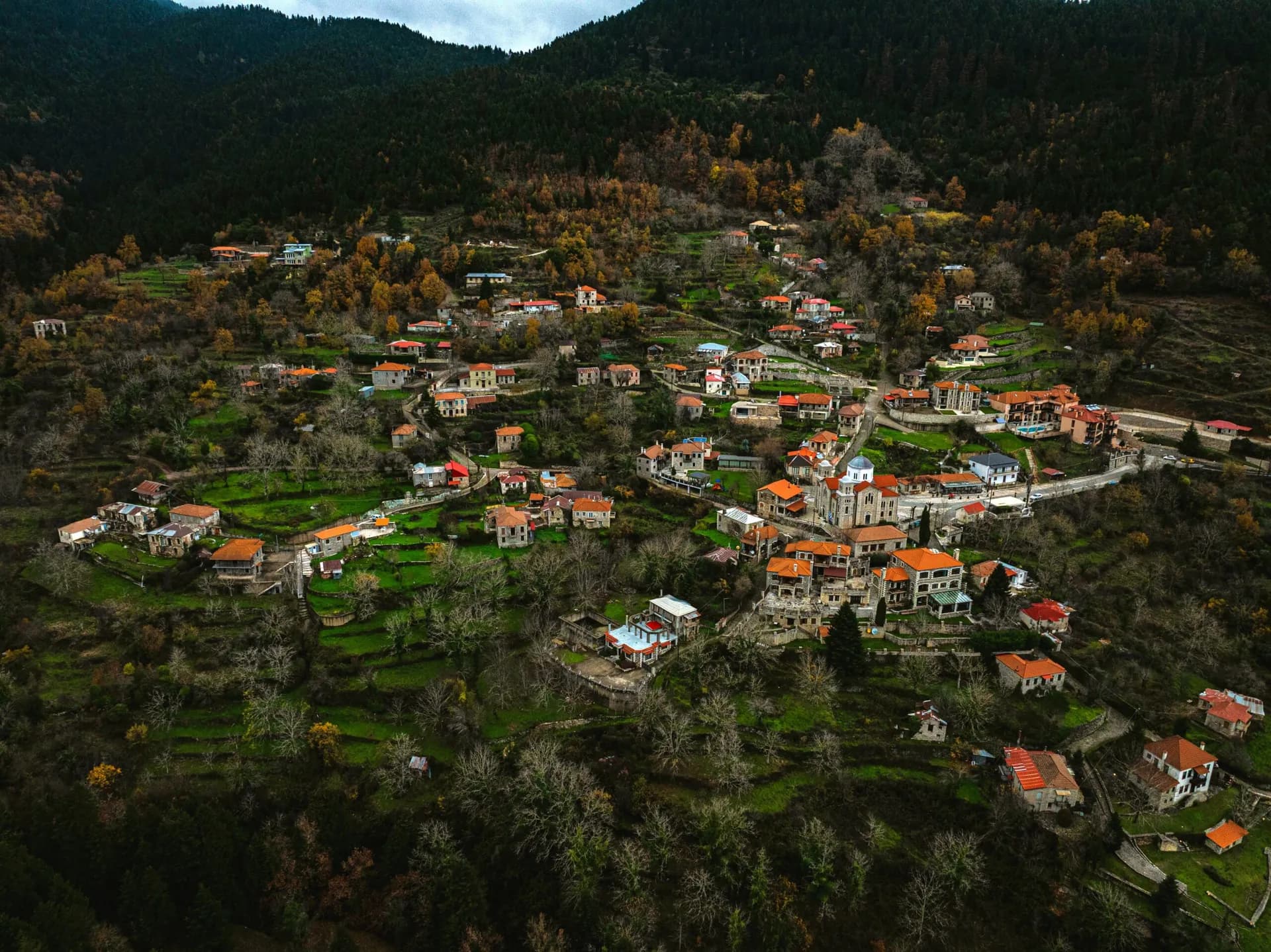
We left Ephesus behind, the ancient wonder-city of Ionia, our minds still filled with images of the magnificent Library of Celsus. It was early afternoon when we took the road to Kirkintze, a village nestled on the lush green hillsides, just eight kilometers east of Selçuk.
The road climbed in spirals, passing through dense forests and small olive groves. As we moved away from the Ephesus plain, the atmosphere gradually changed. The air became cooler, smelling of wet earth, thyme, and olives. In the distant horizon, the mountain ridges formed an impressive backdrop.
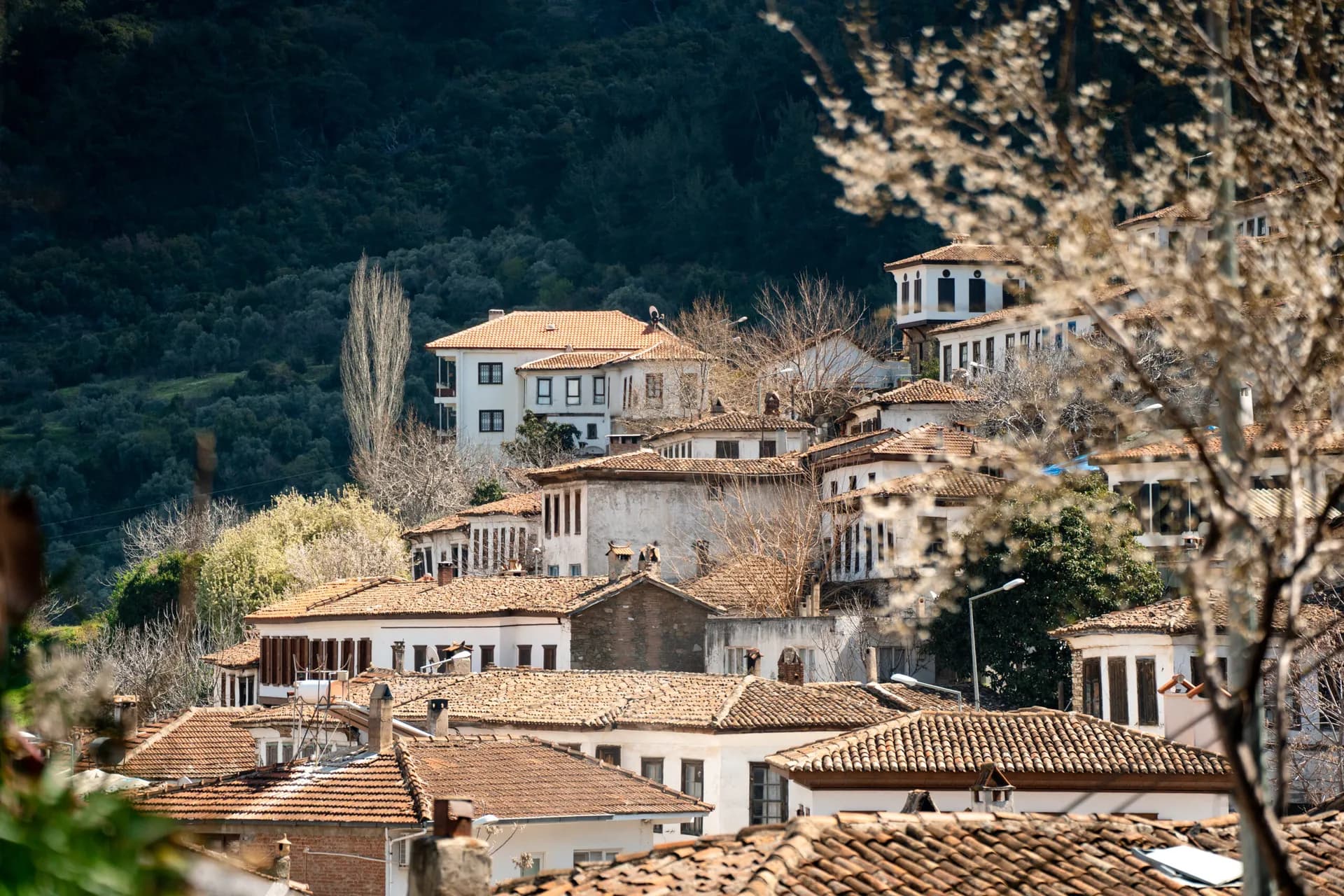
And then, at a bend in the road, we glimpsed Kirkintze (today's Şirince). From afar it looked like a cluster of tiled roofs and white walls, emerging from among the green trees. The first houses with their white colors and wooden balconies looked like something from an old Greek neighborhood, an image contrasting with the Turkish countryside surrounding us.
Leaving the car at the village entrance, we began our tour through the narrow cobblestone streets. The first impression was that we were walking in a place where time had stopped. Kirkintzes, "Mountainous Ephesus," was once a thriving Greek village, with thousands of residents, its own churches, schools, and craftsmen.
"Here, generations of Greeks who spoke Turkish but wrote with Greek characters were born and raised," Mehmet, an elderly resident we met in the central square, explained to us. Walking the stone alleys, we felt we were traveling back in time. The houses, with their colorful wooden doors and latticework windows, stood proudly, having maintained their character despite any changes. Several small shops sold local products: olive oil, wine, spoon sweets, handmade embroidery.
One of the main reasons for our visit was the house where Dido Sotiriou lived. The writer who praised the land of Asia Minor was born here and wrote lovingly about her homeland. Following locals' directions, we reached a two-story stone house with blue windows. Today it's a family's residence, though even this visit to the exterior space is a lovely experience.
Leaving Dido's house, we headed toward the village's two churches that survived from the Greeks' era. The first, the church of Saint John the Baptist, stands imposingly in the settlement's western section. The building, constructed in 1805, has been restored and maintains its original form with two hemispherical domes. At the entrance, the foundation inscription testifies to its history: "The church was built with the care of Bishop of Helioupolis Kallinikos of Sifnos and the village's residents."
The church's interior was dark but impressive. Despite the absence of most icons, sections of the iconostasis and some frescoes were still preserved. Light entered through high windows, creating an atmosphere of devotion. A few meters further, the church of Saint Demetrios, smaller and simpler, also maintained part of its old glory. Built in the first half of the 19th century, with a rectangular shape and semi-cylindrical roof, it still housed some post-Byzantine frescoes.
As the afternoon sun colored the hills with golden hues, we visited a winery's tasting room and tried the region's wines. Kirkintzes was always famous for its vineyards and wine, a tradition surviving even today. "Our vineyards are on the same slopes the Greeks cultivated a hundred years ago," he explained to us. "We try to preserve traditional winemaking methods, combining them with modern techniques."
The tasting that followed was a revelation. We tried a white wine from the local Sultaniye grape, with aromas of citrus and flowers, a rosé with flavors of strawberry and cherry, and a deep red from the Boğazkere variety, rich in tannins and spice aromas.
As dusk fell, we walked to the village's central square, and also to the old school that's been converted into a museum and restaurant. The small cafés and restaurants had filled with tourists and locals. The smells from traditional dishes (dolmades, moussaka, meze) filled the air.
Kirkintzes has been transformed in recent years. From a semi-abandoned village in the 1990s, it has evolved into a popular tourist destination. Many of the old houses have been renovated and operate as boutique hotels, guesthouses, and restaurants. "The village was reborn thanks to linguist Sevan Nişanyan and his wife," a local woman explained to us. "They settled here in the 1990s and played a decisive role in having the village declared national cultural heritage."
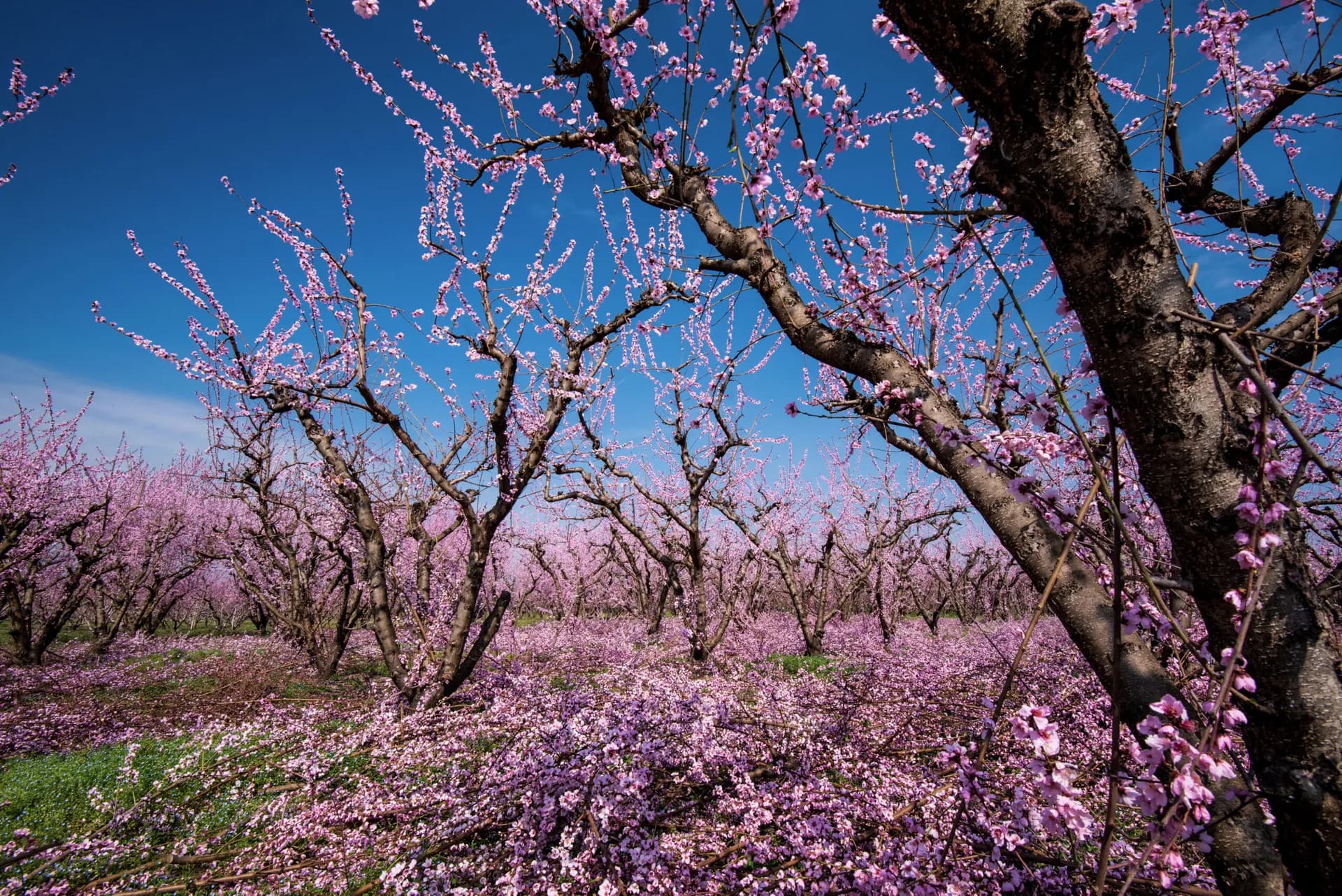
Despite tourist development, Kirkintzes still maintains its authenticity. The approximately 600 permanent residents are mainly engaged in agriculture (olive oil, peaches, wine) and tourism.
As the sun set behind the hills, we took the road back. The village lights began to turn on one by one, creating a magical scene against the darkened landscape.
Kirkintzes was an experience that took us on a journey to the past. We saw up close the place that inspired Dido Sotiriou to write one of the most important Greek novels of the 20th century. We walked streets where Greek songs and prayers were once heard. We touched walls that have absorbed so many stories of joy and pain.
Leaving, we remembered Dido's words: "Those bells no longer ring. […] Kirkintzes fell silent. It extinguished. But the memories still live. And they'll live as long as there are people to tell them." In Kirkintzes, the memories indeed still live. And we were fortunate to listen to them, if only for a few hours.
Common Questions
Where can I find this in Athens?
The Central Market (Varvakios Agora) on Athinas Street is the best starting point for any serious ingredient hunt in Athens. It's open weekday mornings and is genuinely one of the great food markets of Europe — chaotic, loud, and completely authentic. Go with a local if you can. I take people there on my Athens food walk.
What makes Greek versions of this different from what I've had elsewhere?
Greek cooking is obsessed with quality of ingredients, not complexity of technique. The olive oil is better. The tomatoes taste like tomatoes should. The feta is brined in whey, not plastic brine. When you eat the same dish in Greece vs. a Greek restaurant abroad, you're eating fundamentally different food.