In Vissani of Pogoni, the forest opens paths to flavors, stories, and a living relationship between human and nature By food journalist Dimitris Stathopoul
In Vissani of Pogoni, the forest opens paths to flavors, stories, and a living relationship between human and nature.
Kostas Nitas stops abruptly, bends down, and lifts the leaves with his fingers. Under a layer of wet oak leaves, a yellow cap emerges like a small sun. "Gaitsa," he says smiling. Chanterelle, in the language of books. In Pogoni's language, simply gaitsa, the most honest thing this forest produces.
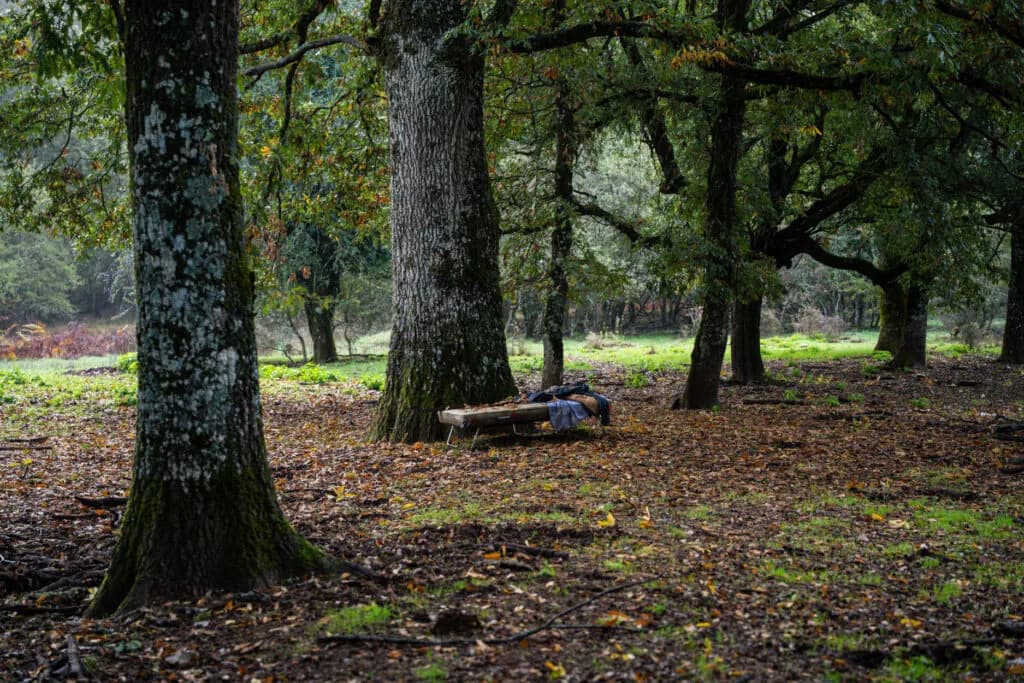
We're just outside Vissani, in the oak forest spreading north of the village. Morning in the middle of winter, the air smells of earth and wet wood. The path disappears under the oaks, massive trees, some centuries old.
Kostas has walked here since childhood. Born in Vissani, he grew up playing among these roots. Mushrooms came later. "It catches you like madness," he explains. "You start seeing the forest differently. You no longer look at the trees. You look at what's hidden at their base, on their trunks."
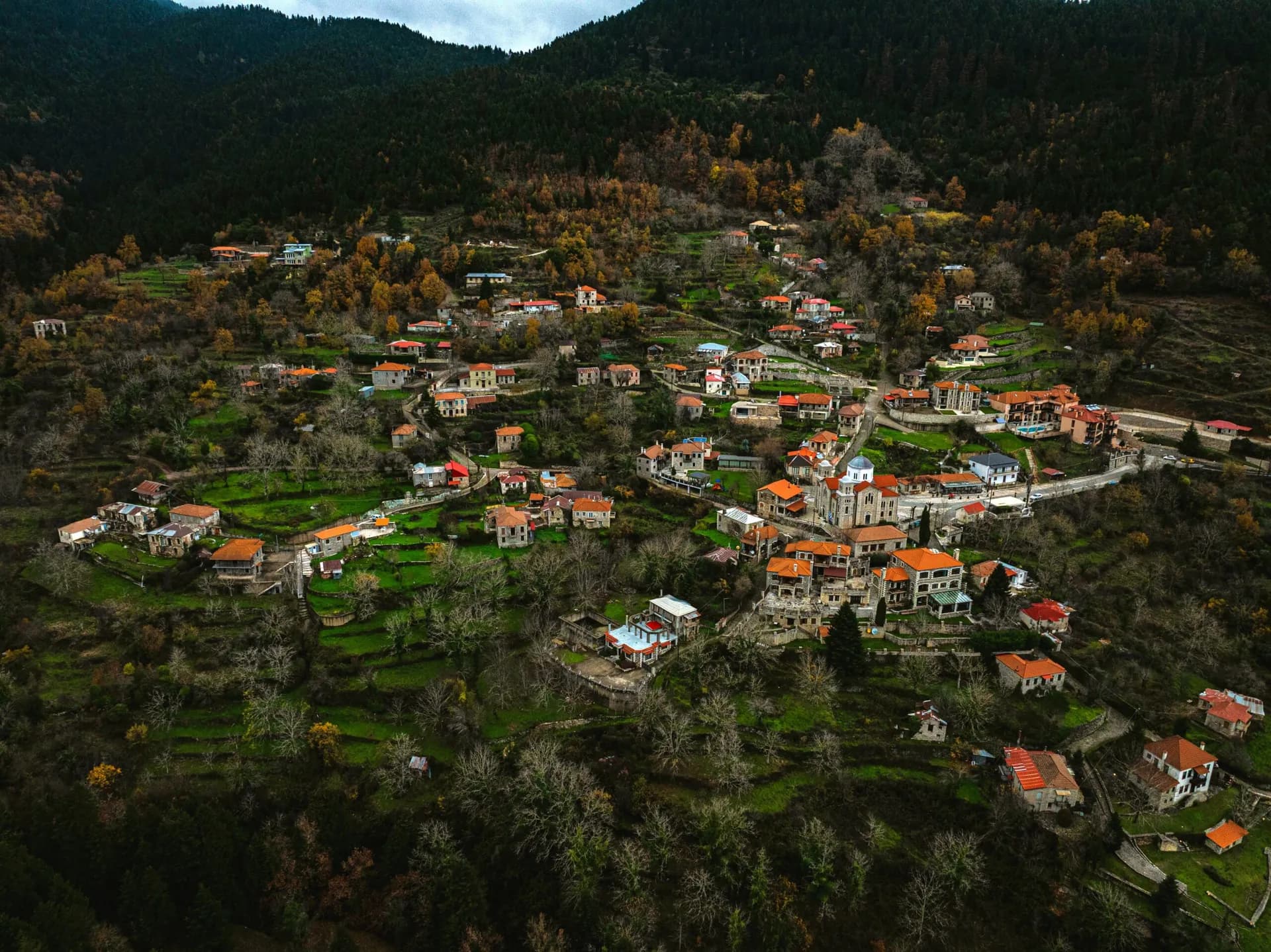
Mountainous Vissani was once a capital village, a commercial and intellectual center of all Epirus during the 18th and 19th centuries. Stone mansions, alleys paved with slate, a library from 1899 with five thousand volumes, rare editions, historical documents, an intellectual lighthouse for the entire region north of Ioannina. Ten churches adorn the village, the Evangelistria built in 1630, the Monastery of Abel with frescoes by Chionades painters. Stone everywhere, gray and solid, as if refusing to age.
Today permanent residents are counted on fingers. But the village resists through the festivals of August 15th, dances in the square, polyphonic song still heard in courtyards and attracting researchers from around the world. Kostas is one of the people keeping the relationship with the place alive. He knows this forest, knows what it hides, and can't stay away from it.
We've been walking for an hour. Footsteps sink into a carpet of rotting leaves and branches. It's the substrate feeding the entire underground world of fungi. Kostas talks about seasons. Explains how fruiting depends on the combination of temperature and humidity. Autumn is the great season, but spring hides its own surprises: morels from February at low elevations, gradually higher and higher. King boletes in beech forests, Caesar's amanitas in summer, looking like eggs when young, with a hazelnut flavor, the "zarkadisia" as they call them here. And then there's the other side.
The death cap, the world's most deadly mushroom, sprouts in these same forests. It looks innocent. And no cooking neutralizes its toxins. Kostas gets serious when we reach this point. "If you don't know a mushroom with absolute certainty, you don't touch it. Not with the slightest trace of doubt." He doesn't trust identification apps. He prefers books, specialized guides with photographs, descriptions, color variations that a phone camera fails to capture. Knowledge, he says, builds slowly.
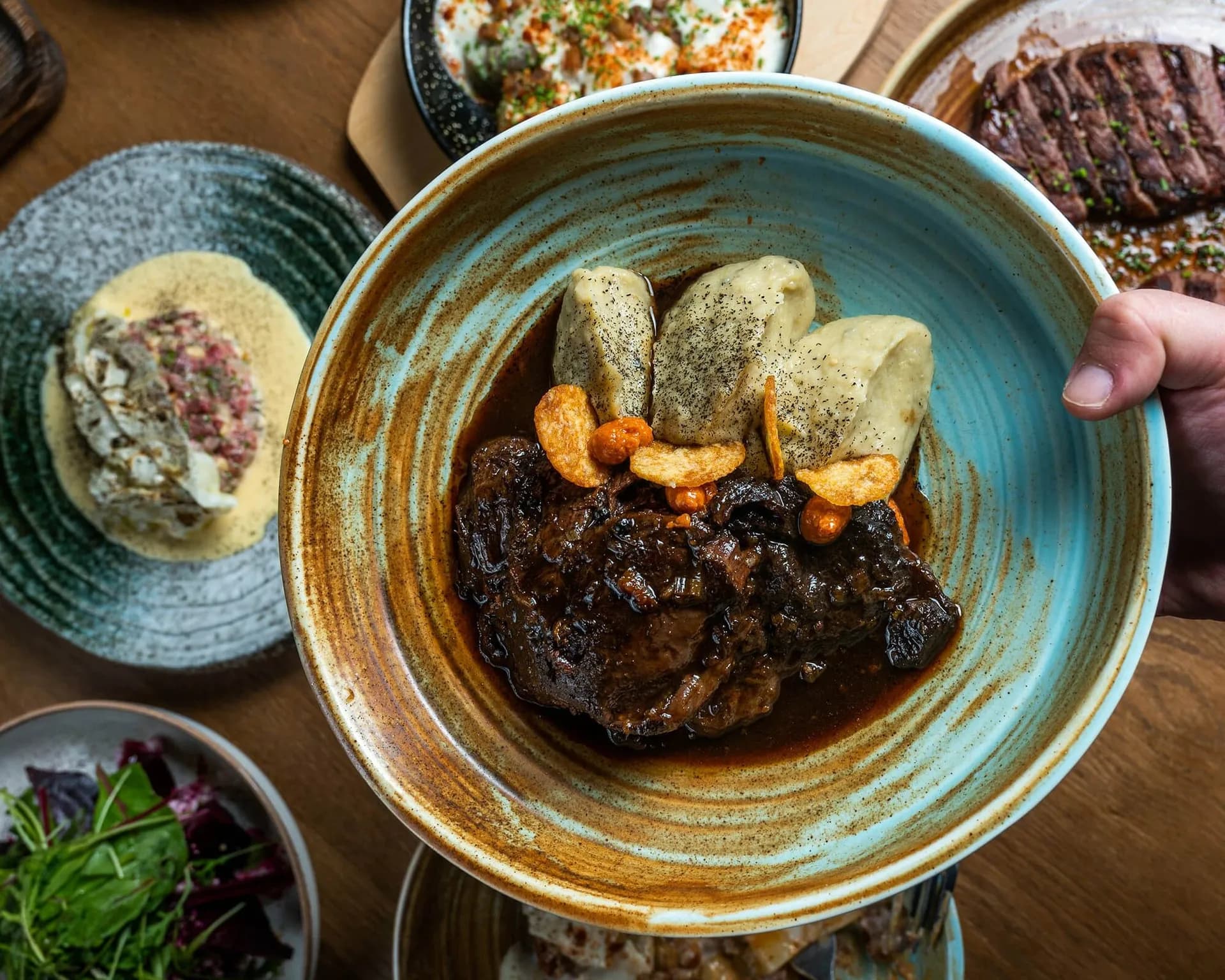
We return to the village with a bag of chanterelles and some king boletes. In Pogoni, mushrooms go into pies with leeks and Florina peppers, are fried with mountain butter, grilled. The mushroom pie, with handmade phyllo and local cheeses, has a full, authentic flavor that needs no explanation. A bit lower, Lake Zaravina gleams through the trees. Thirty meters deep, fed by sublacustrine springs, otters on the banks, eleven fish species in its clear waters. A landscape changing from season to season. Fog and silence in winter, vibrant green and life in spring. Part of the Natura 2000 network, Zaravina reminds you how fragile what you see around is.
Kostas Nitas is a person who knows his place well, who reads the signs of the soil like others read newspapers. In Vissani, this knowledge is the reason the forest continues to nourish and remain an ally.
Frequently Asked Questions
What makes Greek food unique?
Greek cuisine is built on simplicity and quality ingredients. What makes it distinctive is regional variety — every island and mountain village has its own flavors, often unchanged for centuries.