A traditional settlement, amphitheatrically on the slope, among the fir forests of Mainalo Discover Greece with a local expert.
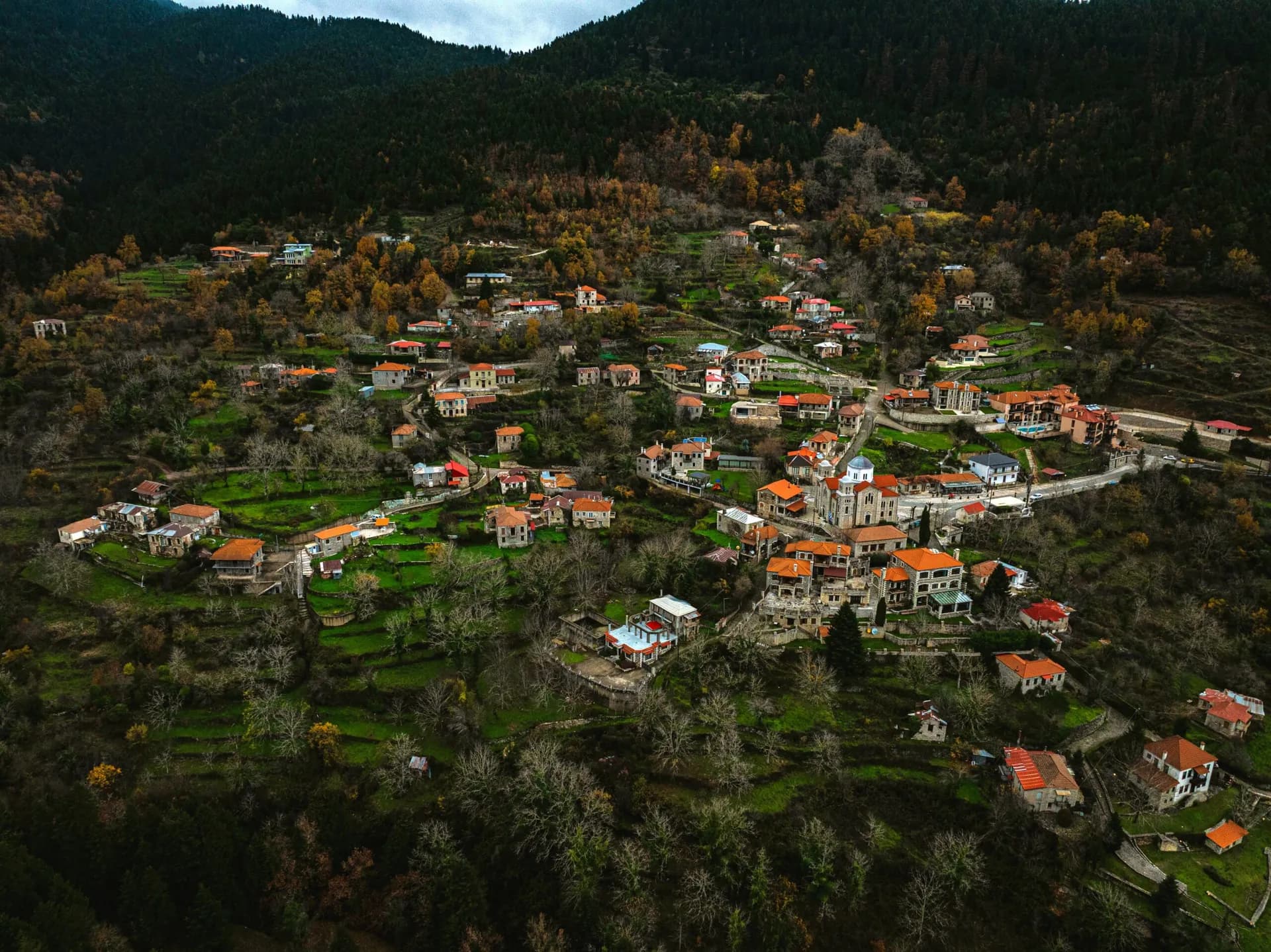
A traditional settlement, amphitheatrically on the slope, among the fir forests of Mainalo.
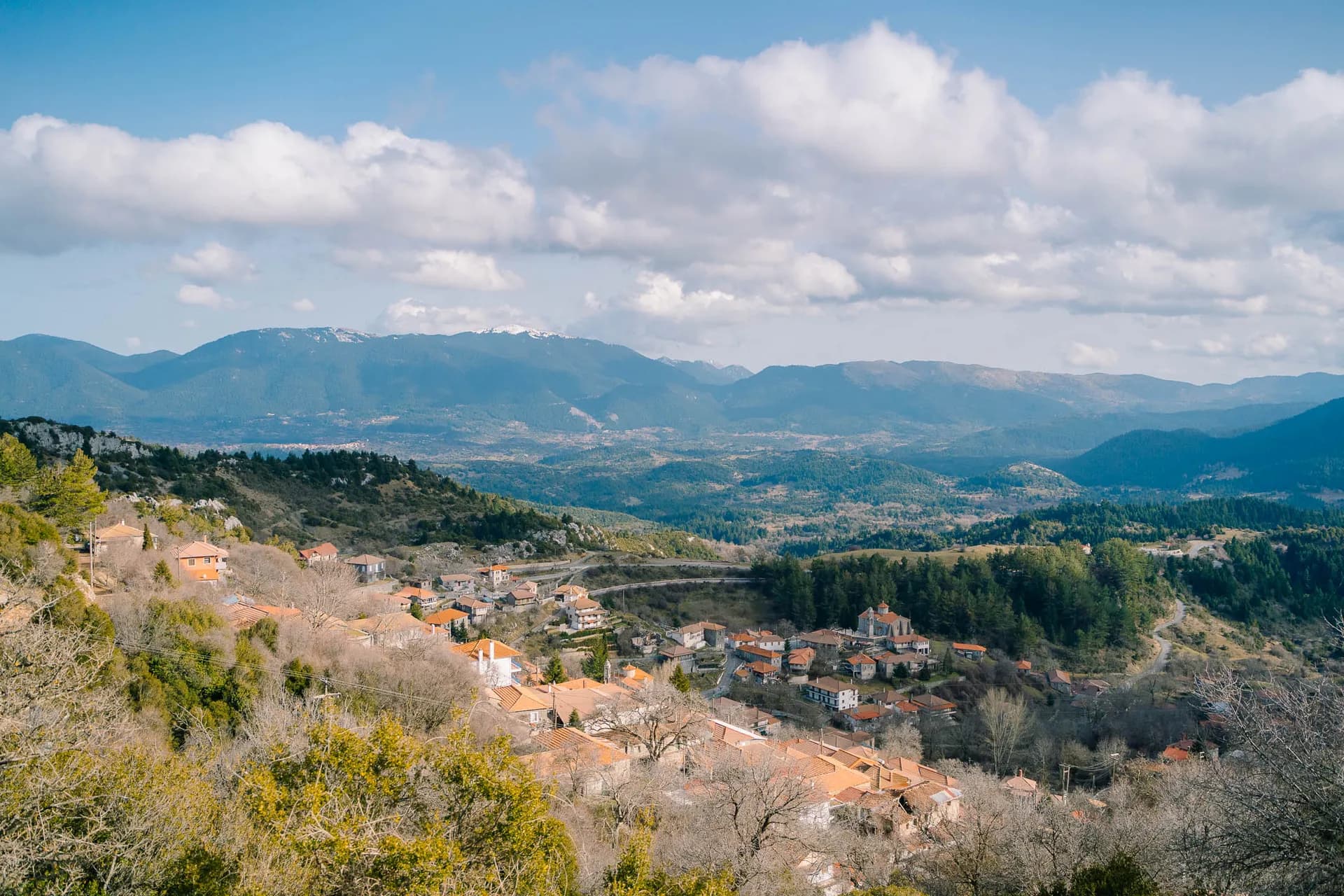
The journey to mountainous Arcadia has surprises and reversals, but at the same time mysteriously balances in a blend of calm and relaxation, knowledge and experience. Having visited several settlements, talking with people who have something interesting to tell us, and after crossing fir forests and climbing the slopes of Mainalo, we arrive at Magouliana.
It constitutes the highest habitable settlement of the Peloponnese, located at 1,365 meters altitude, and as we'll see below, this isn't its only interesting element. We started from Vytina and needed almost fifteen minutes until we reached the village entrance. A large sign informs us of this special characteristic, and proceeding, we see the settlement developing amphitheatrically on the slope, among the fir forests of Mainalo. We continue on the main road crossing the village and arrive at the square with the characteristic plane tree of enormous dimensions, designated a monument of nature, where at some point they've placed supports to hold it up. This centuries-old plane tree has a height of 20 meters, its perimeter is 6.4 meters, while it has a diameter of 2 meters. On the square, next to the plane tree, is the bust of Kolokotronis' first adjutant, Fotios Chrysanthopoulos, known as Fotakos, who was born here in 1798.
We descend a few steps and find ourselves in the space under the plane tree, where the large stone fountain is located, with stone basins and crystal water that flows incessantly. Here was the point where several decades ago, people from all over the village gathered and washed their clothes, simultaneously telling their news, their secrets, solving their questions.
We descend a little further and with us is the village president, with whom we enter the old elementary school, which operated until 1993. Today, it's been converted into a folklore museum, while the basic elements of the school room are preserved. The podium, the board with the names of the last students and their teacher, the bell and school books bring nice memories to the surface. Meanwhile, dozens of objects from everyday life as it was several years ago (tools of loggers, blacksmiths, carpenters, potters) are exhibited in the space, as well as photographs from the past that whisper stories full of truth and emotion.
Our last stop, but perhaps the most impressive, is at the Church of the Dormition of the Theotokos in the lower part of the settlement, which we visit together with Mr. Kanellopoulos, the village president, and the person responsible for the church's operation, Mr. Dimitris. Its wood-carved iconostasis is one of the most beautiful in Greece, with its length reaching 10 meters and its height 4.7 meters. It was carved on huge walnut trunks transported here by mules from Krestena during the period of 1840, when the church was also built. The craftsman Nikos Moschos came from Epirus and created relief representations from the Old Testament. The church has been declared a historic preserved monument, while in the courtyard is the bell tower with arched openings and a small dome.
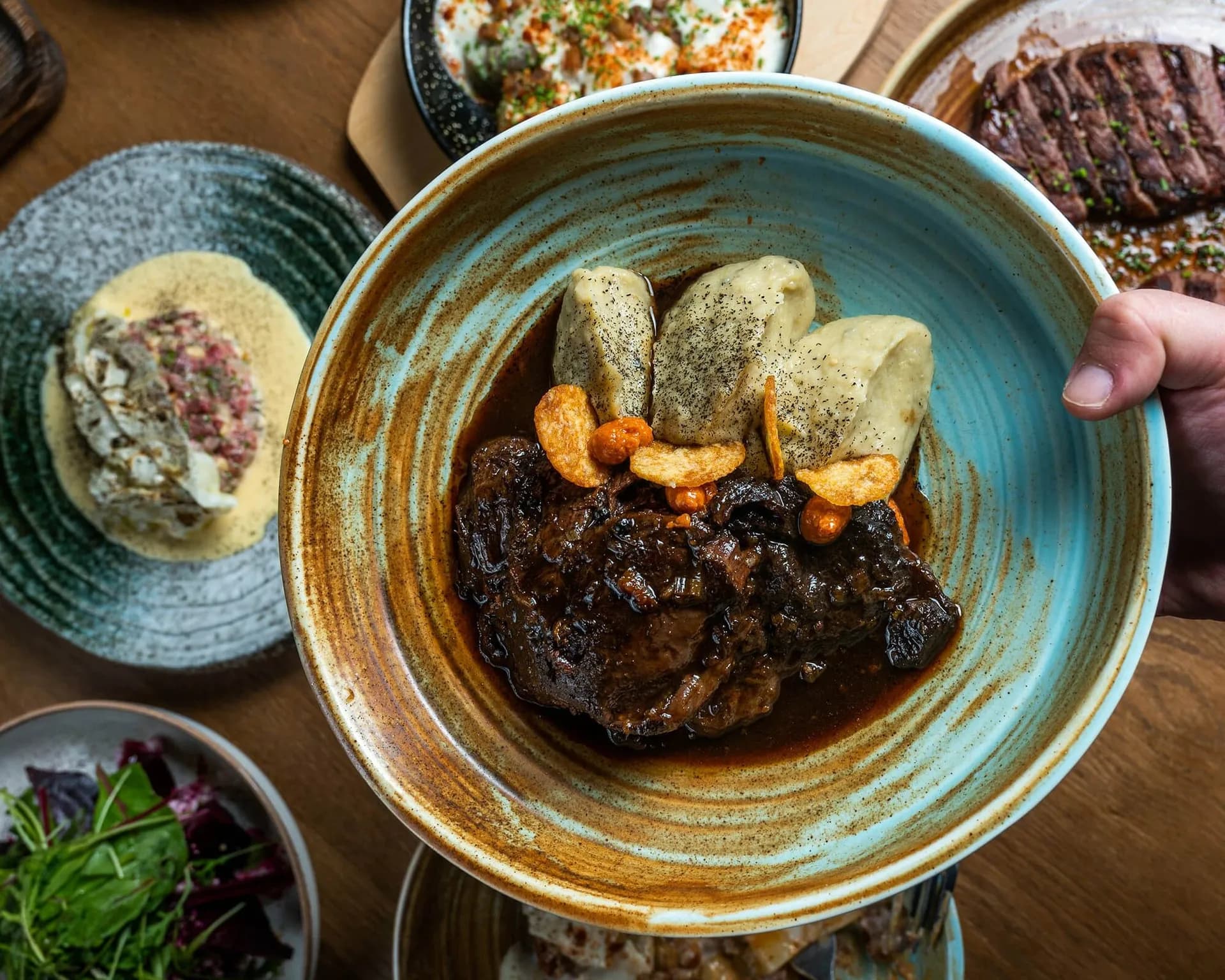
We're ready to leave the village, but we make a small stop at the family taverna Iosif, which now belongs to the third generation. Delicious meats, fresh salads, local raw materials create a set of choices centered on tastiness.
Common Questions
How do I get here from Athens?
Most destinations covered on this site are 2 to 4 hours from Athens by car. I always recommend renting a car rather than joining a bus tour — you control your stops, you can pull over when something looks interesting, and the drive itself is often half the experience in Greece.
What is the best time to visit?
April to June is my personal preference — the wildflowers are out, the crowds haven't arrived, and the light is extraordinary. September and October are equally good. Summer is beautiful but you'll share it with everyone else. Winter is underrated and deeply local.