A unique mosaic of water and vegetation reflecting the heavy sky lies in the Peloponnese By food journalist Dimitris Stathopoulos.
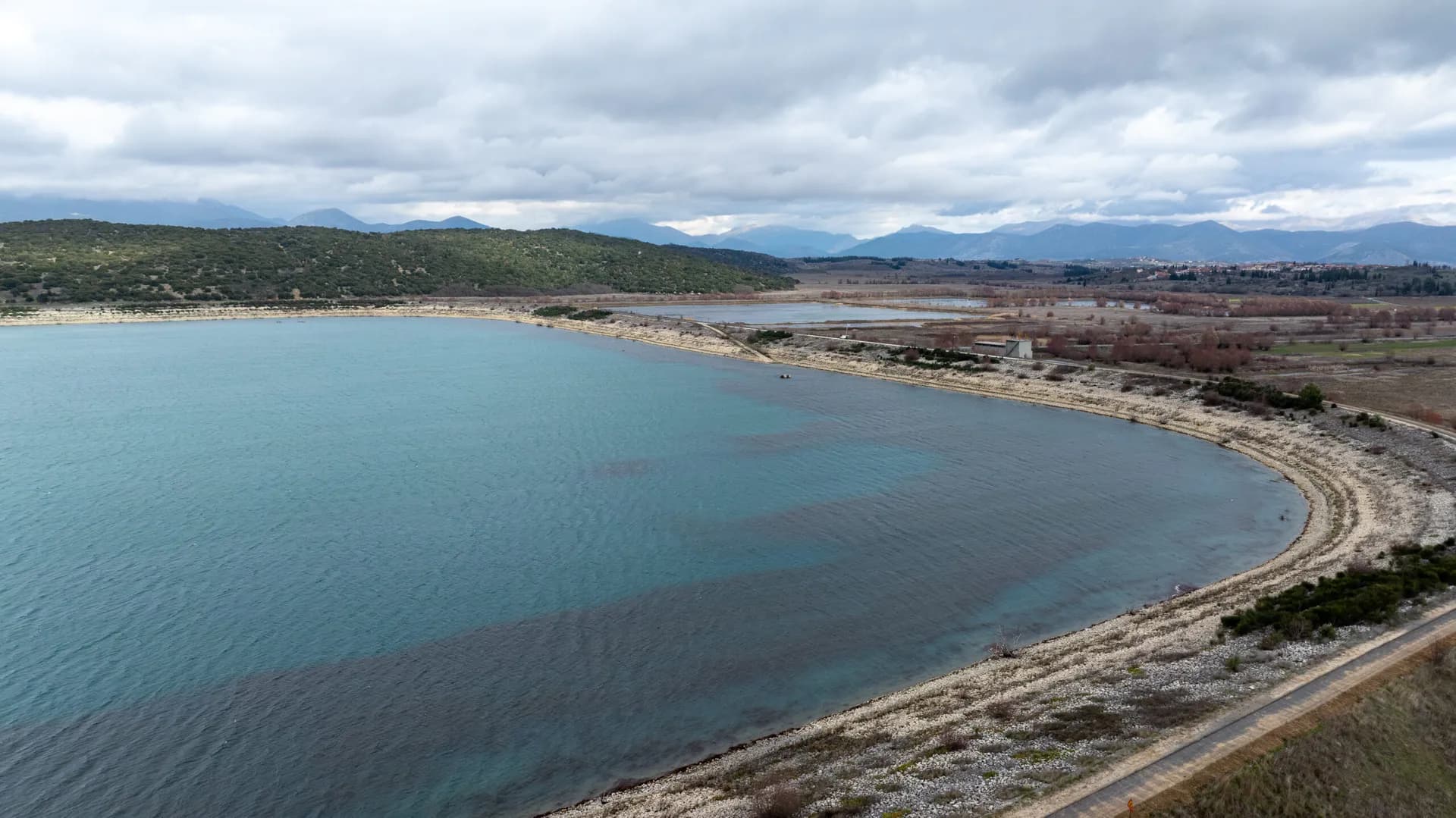
A unique mosaic of water and vegetation reflecting the heavy sky lies in the Peloponnese.
I'd heard about Lake Taka long ago. The truth is I first learned of its existence through a documentary about the revival of Moshofilero grape in Arcadia. The documentary, besides the historical and viticultural evolution of the famous variety, made a brief reference to a "secret wetland" of the Peloponnese, a few miles south of Tripoli, on the Tegea plateau. That's how the idea came to visit this particular place called Lake Taka.
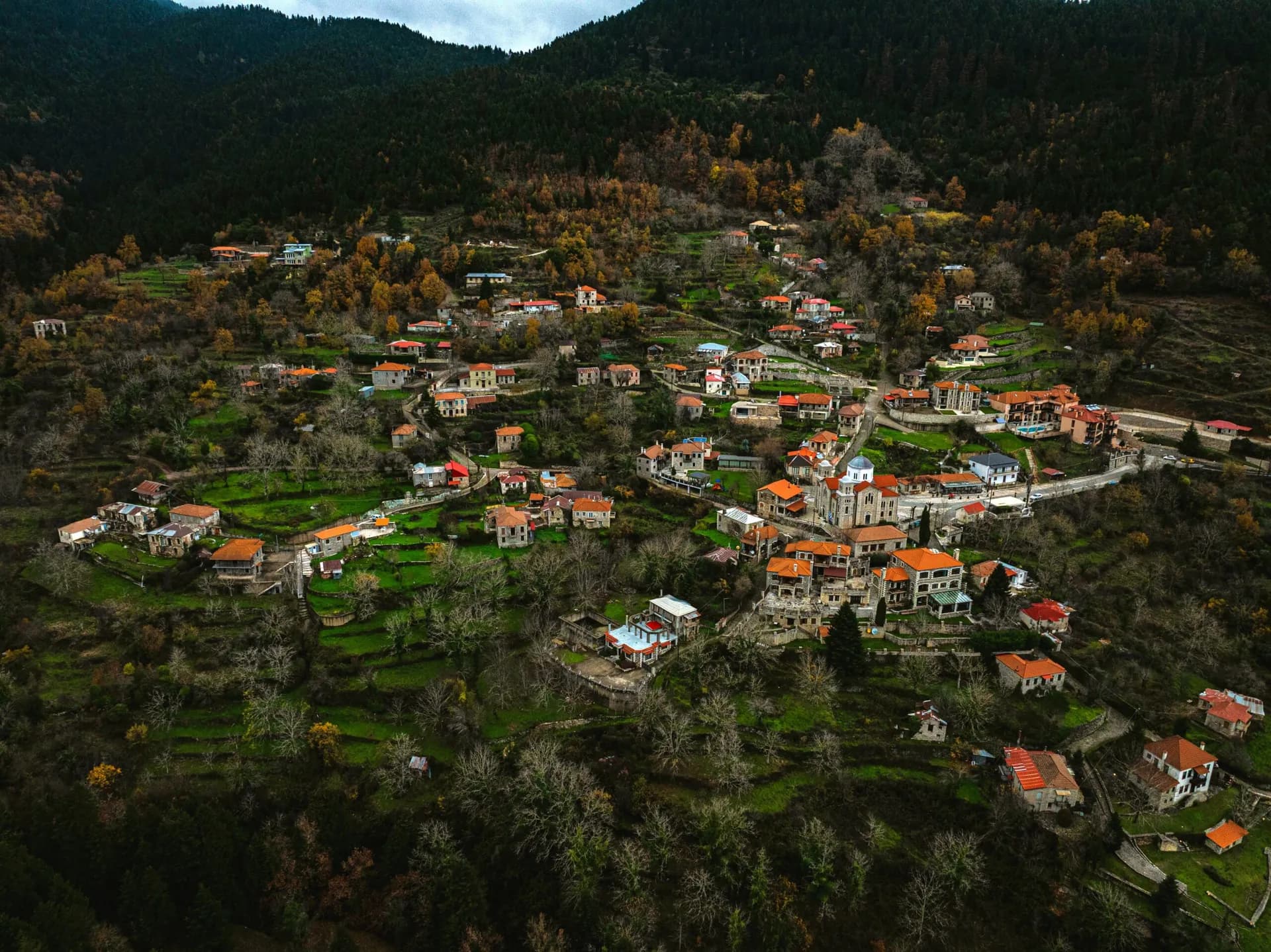
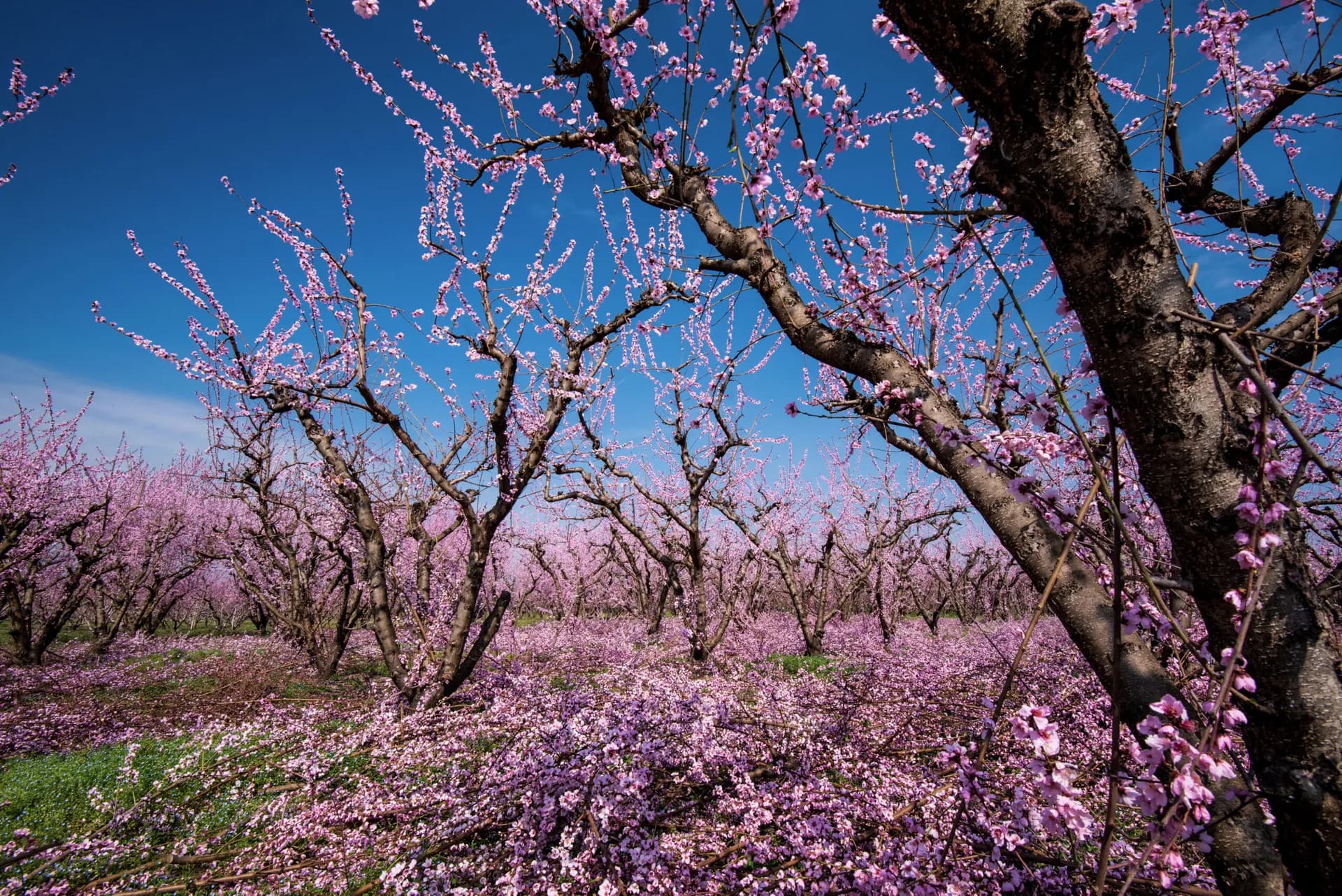
We started from Parnon, completing a journey of discovery with the region, with people, with products, with experiences. It's early afternoon and we're almost next to the lake. We pass through the plain with apple trees and other fruit trees, which at this time of year have shed their leaves. From a distance, the landscape resembled an open, spread-out plain, while as we approached, it became increasingly clear that the area is full of life. The weather was heavy, almost threatening, with the sky loading with gray clouds ready to bring rain. The air blew steadily, and so, although we're talking about a lake that's usually calm, the water showed a small wave: an unusual sight for Arcadia's "fresh water."
We turned onto the lake's perimeter road, having the sense that, more than a "typical" lake, Taka is a living organism that constantly changes. It was known that in summer the waters drain through sinkholes and residents utilize the soil for cultivation. Now, in the heart of winter, you saw plenty of water, at least in its demarcated section.
Along the route, egrets and gulls flew low, while somewhere far off we spotted some cormorants fishing in the shallows. A pair of purple herons, with their deep red plumage, reminded us we're in an officially protected Natura 2000 wetland. It was amazing to realize that here, in this seemingly "insignificant" place, so many bird species coexist: from kingfishers and wild ducks to the snow-white swans that often visit the lake.
We stopped for a bit at the elevation, before reaching Kandalos village, to enjoy the view. The wind whipped the reeds on the banks, creating strange ripples on the water's surface. From above, the lake looked like a fluid, silvery-gray mirror: a unique mosaic of water and vegetation, reflecting the heavy sky.
I reflected on how Pausanias himself refers to the area as "Manthouriko plain" and how the work on the reservoir has now irreversibly changed the natural landscape. However, as I stood beside this winter "sea" of Arcadia, I realized that Taka hasn't lost its special identity. It remains a place that marries wild natural beauty with humanity's desire to utilize and maintain their land.
Leaving, near Vouno village, we saw how this village "transforms" into lakeside in winter and purely terrestrial settlement in summer, depending on the lake's waters. It was one of those moments where the power of nature and human adaptation appeared so clearly before our eyes. And somehow, Lake Taka, which I once learned about through a documentary about Moshofilero, took flesh and bone and became, for me, one of Arcadia's most special places.
Frequently Asked Questions
What makes Greek food unique?
Greek cuisine is built on simplicity and quality ingredients. What makes it distinctive is regional variety — every island and mountain village has its own flavors, often unchanged for centuries.