Xanthi, with its pristine landscapes and historic settlements, offers countless opportunities for those who love nature and By food journalist Dimitris Sta
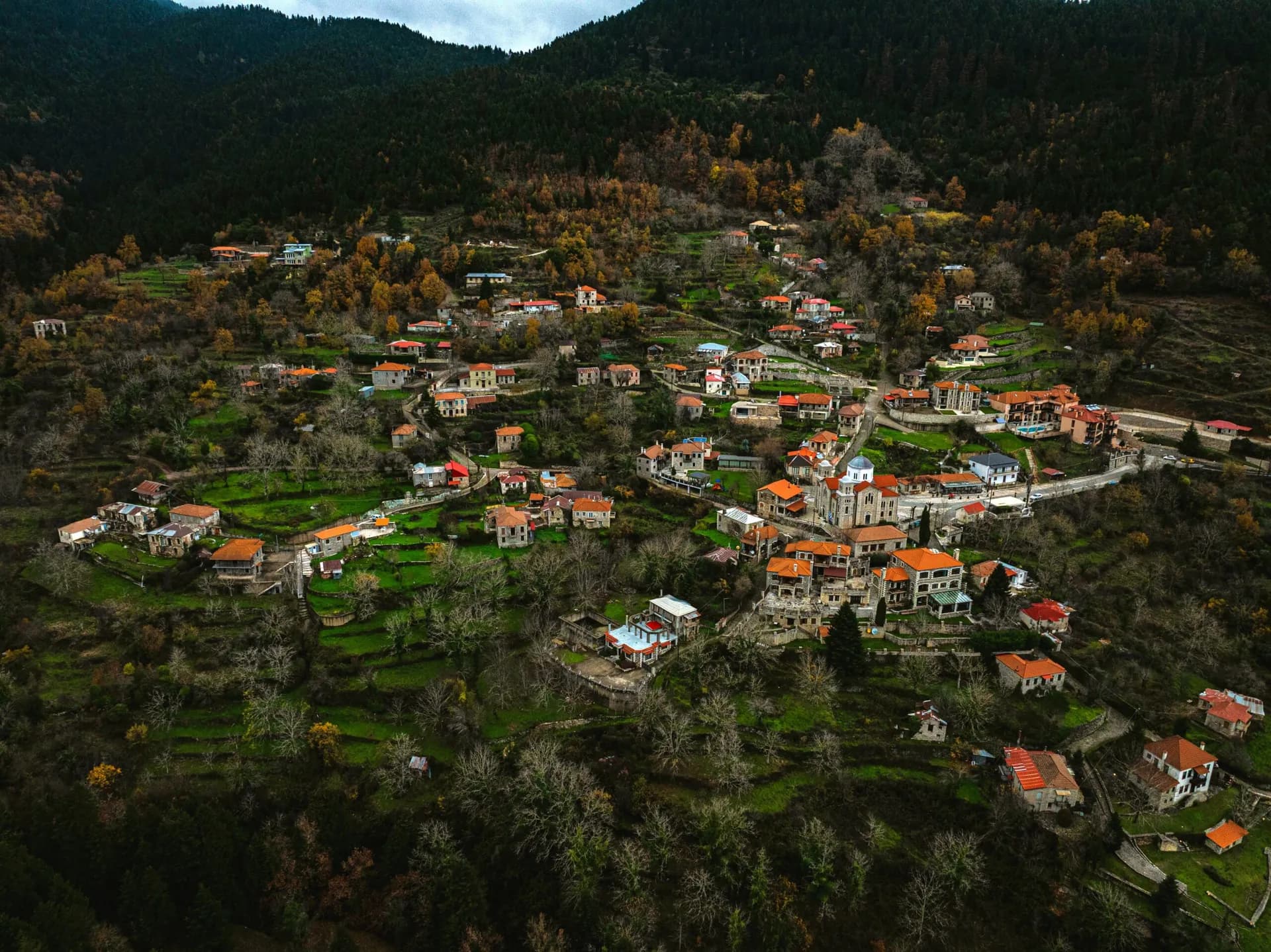
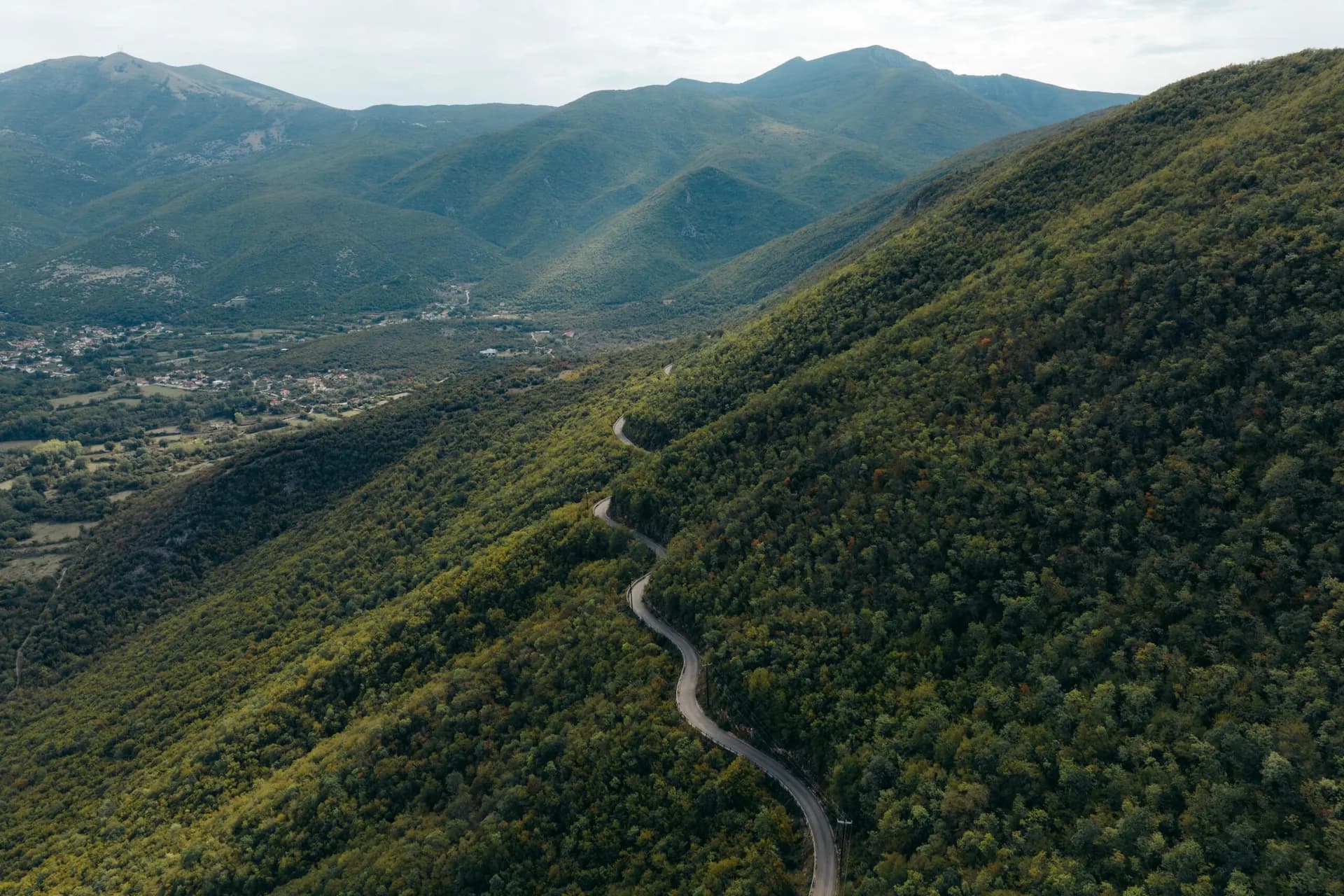
Xanthi, with its pristine landscapes and historic settlements, offers countless opportunities for those who love nature and exploration. A route from Stavroupoli to Toxotes and Galani, through small villages overflowing with history and natural beauty, is an ideal choice for travelers wanting to experience something different.
The route lasts about one hour without stops, but we suggest dedicating at least 4 hours to enjoy each stop at your leisure. Whether seeking a short escape or a road trip full of discoveries, this route promises to captivate you, with each turn revealing a new treasure of Thrace. Although the area has hiking trails, we chose to explore it by road.
Stavroupoli to Komnina
Our route began from Stavroupoli, a traditional settlement with historic architecture and a hospitable atmosphere. The road led us southeast toward Komnina, a settlement on the outskirts of Kavala Regional Unit. The route through landscapes rich in vegetation and running waters prepared us for what was to follow. Komnina, built at 144 meters altitude, is known for the "Magkova" location, where there's a Macedonian tomb from the 2nd century BC, the best preserved in Thrace. We devoted some time to visit the archaeological site and learn more about the area's history, while the view toward the Nestos valley left us speechless. A little below, a herd of cows enjoyed the tranquility.
Kromniko Ghost Village
Turning onto the rough road toward Kromniko, the landscape begins to change dramatically. Before us unfolds a ghost settlement, perched amphitheatrically on steep slopes. The stone houses, built in terraces following the terrain's natural slope, stand as silent witnesses to another era. The car stops near the old elementary school. It's the moment when the place's history comes alive before our eyes, where in 1923 Pontic refugees from Samsunda struggled to build their new lives with only meager land for tobacco cultivation and two wells for water as provisions. As we walk among the ruins, an unexpected encounter takes our breath away: a herd of wild horses appears like an apparition through the morning mist. We stand motionless, enchanted by their wild grace. The proud animals observe us curiously for a moment before disappearing quietly into the hinterland. We respect their territory and withdraw discreetly.
Climbing a little higher, the Nestos meanders spread before us like a silver ribbon, while on the sheer cliffs, a pair of rare sea eagles has built its nest. Nature has reclaimed the place, transforming the abandoned village into an enchanting wildlife refuge. Kromniko comes alive only once a year, when descendants of the old residents gather for the feast of Saint Panteleimon. Then, stories of the past come alive again, reminding us that this place, despite abandonment, remains a living legend of Thrace.
Ano Livera
Ano Livera reveals itself like a hidden treasure of Thracian land. The once lively settlement, though abandoned today, has transformed into an unexpected wildlife paradise. Access is now easy thanks to the paved road, but the place's real secrets are revealed only to those who decide to explore the area on foot. The wandering in Livera continued with a visit to specially designed raptor feeding stations, a key point for preserving the area's biodiversity. The visit's climax came at the "Nestos Observatory," where from the wooden kiosk unfolds a breathtaking panorama: the famous Nestos meanders spread like a silver ribbon among imposing mountains, while nature's absolute serenity creates an almost metaphysical atmosphere.
Toxotes and Galani
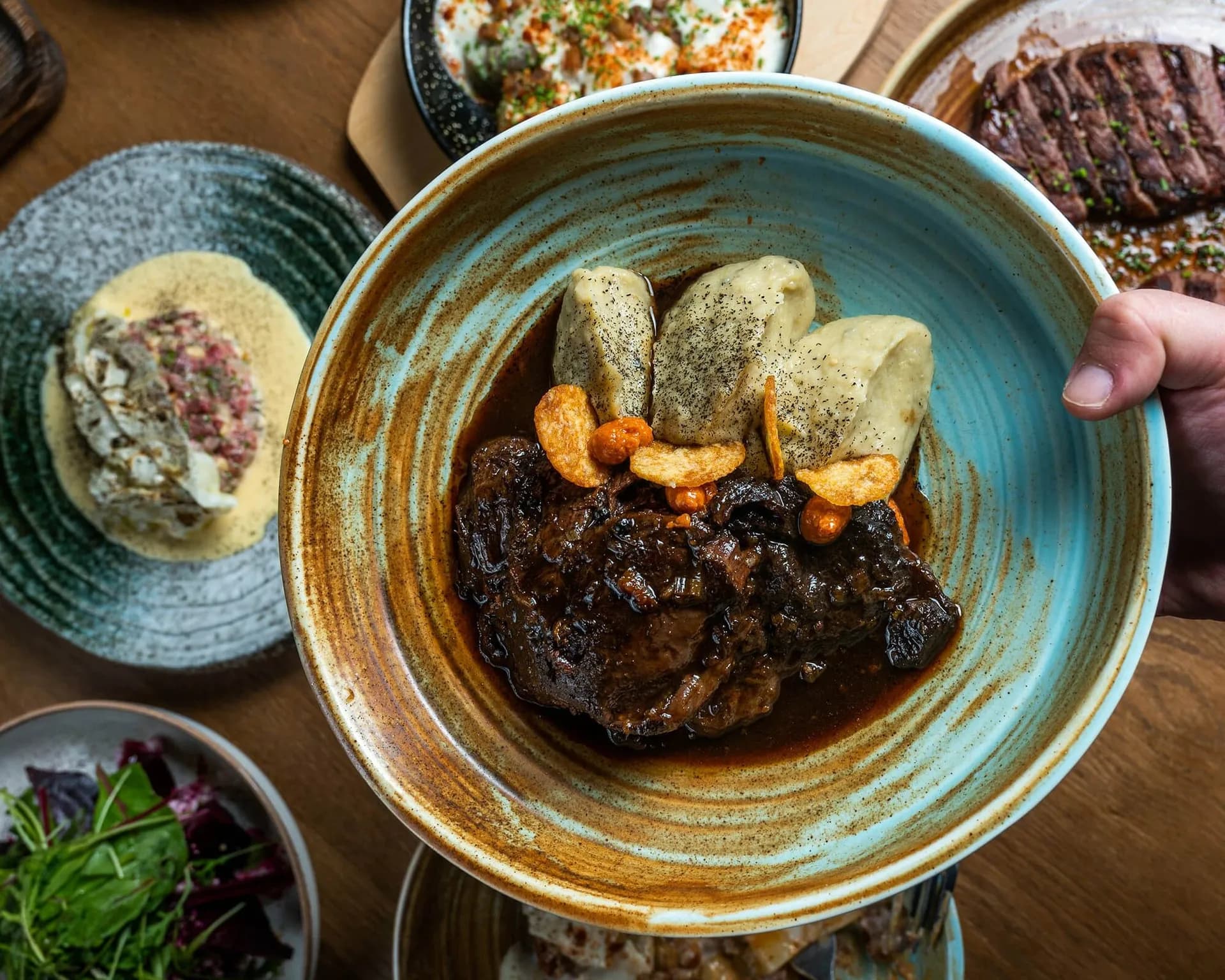
Our route concluded at Toxotes and Galani, two settlements near the Nestos banks. At Toxotes, traditional architecture and stories of the area's tobacco growers transported us to another era. From here also begin many alternative tourism activities like kayaking, bird watching, and hiking. Galani, on the other side, is a destination standing out for its wetland landscapes. The Nestos bridge and the "Thracian Tempe," characterized as a landscape of special natural beauty, gave us the opportunity to photograph magical images. Here we made our last stop to enjoy a warm meal with traditional dishes before returning full of images and experiences.
Frequently Asked Questions
What makes Greek food unique?
Greek cuisine is built on simplicity and quality ingredients. What makes it distinctive is regional variety — every island and mountain village has its own flavors, often unchanged for centuries.